

in video
Is InVideo AI Actually Worth It? A No-BS Review After Digging Through Real User Feedback
If you watch YouTube videos about InVideo AI, you’d think it’s some magical “type one sentence, make viral videos instantly” machine. Yeah… not exactly.
After digging through Reddit threads, verified review sites, tutorials, pricing pages, and user complaints, the honest answer is this: InVideo AI is legitimately useful for pumping out fast content at scale, especially faceless social videos, affiliate clips, YouTube Shorts, TikToks, and quick marketing content. But if you expect cinematic quality, deep editing control, or truly unique videos, you’re probably going to end up disappointed.
It’s one of those tools that feels amazing for the right person and incredibly frustrating for the wrong one.
The biggest strength of InVideo AI is speed. You feed it a prompt, script, blog post, or idea, and it automatically builds scenes, stock footage, subtitles, transitions, music, pacing, AI voiceovers, and formatting for social platforms. For beginners, that’s honestly pretty impressive. A lot of users say they created their first usable YouTube or TikTok videos with it because the learning curve is much easier compared to professional editing software like Adobe Premiere Pro or DaVinci Resolve.
That’s really who this tool is for: marketers, affiliate sites, agencies, faceless YouTube channels, small businesses, and people who simply hate editing. If your goal is “make decent videos fast,” InVideo AI actually does a solid job.
Some marketers are using it to mass produce review videos, blog-to-video content, and social clips because it compresses production time dramatically. And honestly, that makes sense. The software is built around efficiency more than creativity.
But here’s where the hype starts falling apart a little. A huge number of users mention the same issue: the videos eventually start looking generic. Not always bad. Just very obviously AI generated.
You start noticing repetitive stock footage, predictable pacing, robotic storytelling structure, dramatic zoom effects, emotionally empty narration, and that weird “template energy” you see all over TikTok and YouTube now. After a while, you can almost instantly tell when a video came from one of these AI generators.
That’s the tradeoff. Tools like this optimize for speed, not originality.
If you’re building a real brand with personality and authenticity, you’ll probably outgrow InVideo AI pretty quickly. The more polished and human you want your videos to feel, the more manual editing you end up doing anyway.
The AI voiceovers are better than expected though. Compared to older AI video generators from a few years ago, the narration quality has improved a lot. Some voices sound surprisingly natural, especially on the higher-tier plans. Still, it’s not perfect. You’ll occasionally get awkward pauses, strange pronunciations, weird emotional emphasis, or robotic tone shifts that instantly remind viewers they’re listening to AI.
The free version is also not nearly as generous as some creators make it sound. Technically there is a free plan, but it comes with watermarks, export limits, credit restrictions, and lower quality output. It’s useful for testing the platform, but if you actually want professional-looking exports, you’ll almost certainly need a paid subscription.
And honestly, the credit system seems to be one of the biggest frustrations users complain about. Several reviews mention burning credits on video generations that didn’t turn out usable. That’s one of the hidden annoyances with AI creation tools in general right now: you’re often paying for attempts instead of guaranteed quality.
Reddit’s opinion on InVideo AI is mixed as hell. Some people genuinely love it because it helped them launch channels faster and stay consistent with content creation. Others absolutely hate it and complain about billing issues, generic outputs, poor customer support, or overhyped marketing.
That split actually tells you everything you need to know. Your experience with InVideo AI depends almost entirely on your expectations.
If you expect AI to completely replace real editors and magically create viral content with one prompt, you’ll probably hate it. If you treat it like a fast first-draft machine that saves time and handles repetitive editing work, you’ll probably find it useful.
Where InVideo AI makes the most sense is faceless YouTube channels, affiliate marketing content, local business promos, blog-to-video repurposing, quick social content, PPC companion videos, and high-volume agency work where speed matters more than artistic perfection.
Where it makes less sense is premium storytelling, cinematic content, emotional documentaries, luxury branding, creative filmmaking, or anything where uniqueness and human personality are the main selling point.
There’s also a growing AI fatigue online right now. Audiences are getting better at spotting low-effort generated content, and people can absolutely feel when videos have no personality or soul behind them. That matters more than a lot of AI marketers want to admit.
Some of the biggest competitors to InVideo AI are starting to catch up fast, and in some cases they actually do certain things better depending on what kind of creator you are.
Pictory is probably one of the closest direct competitors. It’s heavily focused on turning blog posts and scripts into social videos quickly, which makes it popular with affiliate marketers and SEO publishers.
Synthesia is more business-focused and known for realistic AI avatars. It’s used a lot for training videos, corporate explainers, and presentations rather than viral social content.
HeyGen exploded in popularity because of its AI avatars, face swapping, multilingual voice cloning, and realistic presenter videos. A lot of creators think it feels more modern and polished than older AI video tools.
Runway ML is more advanced and creative-focused. It’s closer to an AI filmmaking platform than a beginner drag-and-drop editor. The learning curve is higher, but the creative potential is much bigger.
Descript is incredibly popular with podcasters and YouTubers because it lets you edit video almost like editing a Word document. Its AI voice cloning and transcription tools are honestly some of the best in the space.
VEED.io has become a favorite for fast social media editing, captions, clips, and browser-based editing. Many creators feel its interface is cleaner and easier to use than InVideo.
Canva Video is surprisingly strong now. It’s not as AI-heavy as some competitors, but for marketers already using Canva, the workflow can feel smoother and more flexible.
CapCut is dominating short-form content creation right now, especially for TikTok creators. The mobile editing experience and built-in effects are honestly hard to beat for free or low-cost editing.
Lumen5 focuses heavily on transforming articles and written content into marketing videos. It’s very similar to InVideo in some ways but leans more toward branded business content.
Animoto has been around for years and is still popular with small businesses that need simple slideshow-style promo videos without learning complicated editing software.
What’s interesting is that the AI video space is moving insanely fast right now. A tool that feels cutting-edge today can honestly feel outdated six months later. That’s why a lot of creators bounce between multiple platforms instead of staying loyal to just one.
InVideo AI still competes well because it balances speed, automation, templates, and beginner friendliness pretty effectively. But it’s definitely no longer the only serious player in the AI video game.
So is InVideo AI worth it? Honestly, yes for some people and absolutely not for others.
If you value speed over perfection, need lots of content quickly, run faceless channels, or hate editing, it can genuinely save you time and money. If you care deeply about originality, premium visuals, emotional storytelling, or building a unique creative brand, you’ll probably end up frustrated and eventually move toward more advanced workflows.
The simplest way to describe InVideo AI is this: it’s basically Canva for AI video production. Fast, convenient, occasionally impressive, but sometimes painfully generic.
For marketers and content grinders, it can absolutely be worth the money. For creatives chasing originality, probably not.
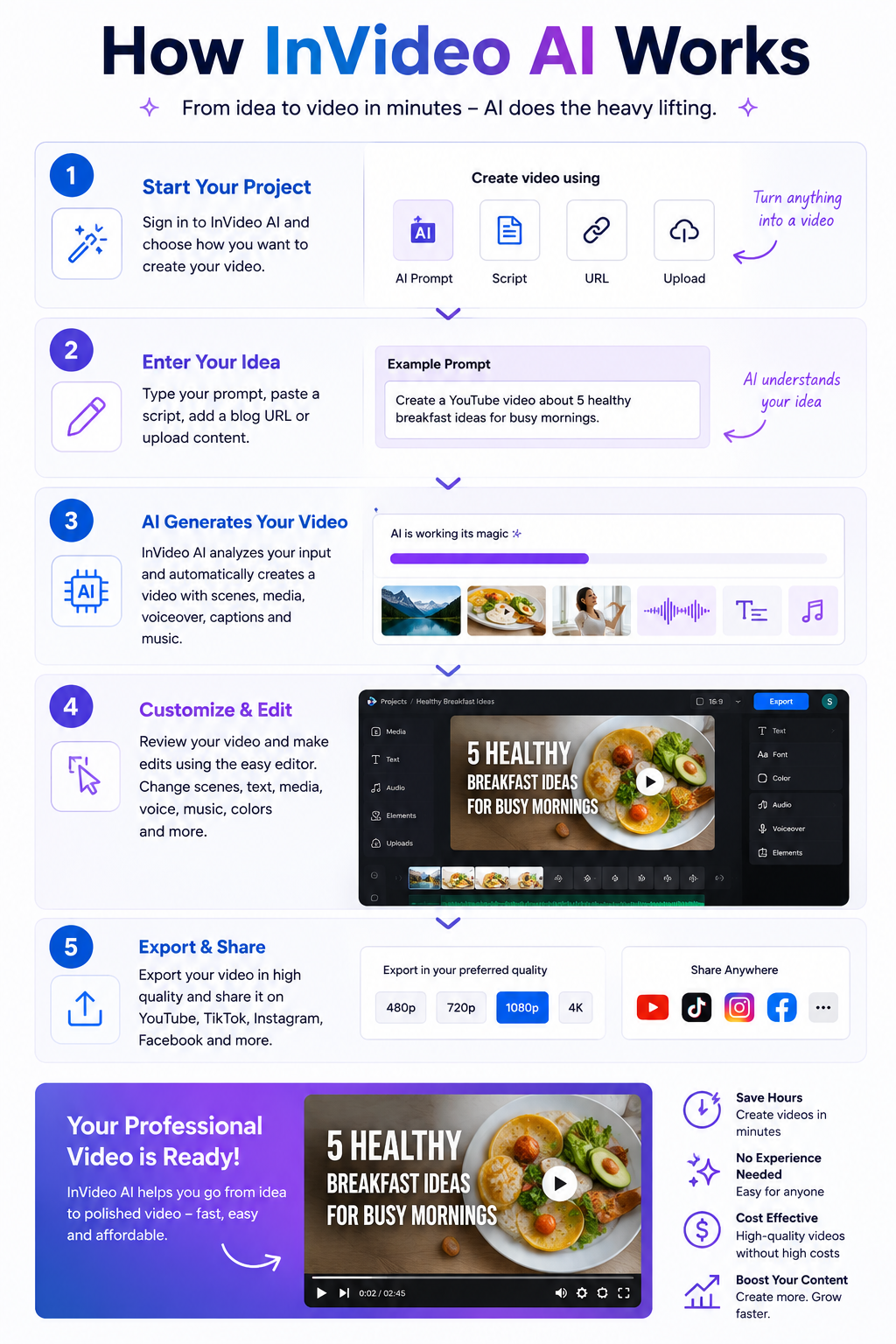
Video content has become a cornerstone of modern marketing, education, and storytelling. Yet, creating professional-grade videos often feels daunting—time-consuming, expensive, and technically complex. Enter InVideo AI, an AI-powered video creation platform that promises to simplify the process, making it accessible for businesses, content creators, and educators alike. In this blog post, we’ll dive into InVideo AI’s pricing, features, how to use it for your business, its overall quality, and some tips to maximize its potential in 2025. This is one of 9malls newest merchants.
InVideo AI Pricing: Plans for Every Need
InVideo AI offers a range of pricing plans tailored to different users, from solo creators to large businesses. Below is a breakdown of the plans as of 2025, with a 20% discount applied to annual billing where noted. All prices are approximate and based on monthly billing unless specified.
Free Plan ($0/month): Perfect for beginners or those testing the waters, the Free plan offers:
Up to 10 minutes of AI-generated video content per week.
10 GB of storage.
4 exports per week with an InVideo watermark.
Access to over 5,000 templates and a standard media library.
AI script generation and text-to-speech narration.
Limitations: Watermarked videos, no HD exports, and limited access to premium features like iStock media or generative credits.
Plus Plan (~$28/month, $22.40/month annually):
A step up for regular creators, this plan includes:50 minutes of AI-generated content per month.
80 iStock media clips.
100 GB storage.
Unlimited exports without watermarks.
2 AI voice clones for personalized narration.
Best for: Small businesses, bloggers, or YouTubers needing consistent, professional output.
Max Plan (~$48/month, $38.40/month annually):
Designed for high-volume creators, this plan offers:200 minutes of AI-generated content per month.
320 iStock media clips.
400 GB storage.
Up to 5 AI voice clones.
Unlimited exports in full HD.
Best for: Agencies, established businesses, or creators producing frequent content.
Generative Plan (~$96/month, $76.80/month annually):
Tailored for advanced users needing extensive customization:200 minutes of AI generation with up to 15 million generative credits.
Access to premium features for highly customized videos.
Best for: Large organizations or creators with complex, high-volume video needs.
Enterprise Plan (Custom Pricing):
Offers advanced security, flexible pricing, and custom solutions for large organizations. Contact InVideo directly for details.
Tip: InVideo occasionally offers lifetime deals or promotions on platforms like AppSumo, so keep an eye out for discounts. Also, note that quotas (e.g., exports, iStock credits) reset monthly and do not roll over.
Value Proposition: Compared to competitors like Synthesia or Runway, InVideo AI’s pricing is competitive, especially for the Plus and Max plans, offering robust features at a lower cost than tools like Filmora or Camtasia. The Free plan is notably generous, providing more templates and tools than competitors like Canva or Animoto.
Key Features of InVideo AI
InVideo AI combines intuitive design with powerful AI-driven tools to streamline video creation. Here are its standout features:
AI Video Generator: Transform text prompts, scripts, or blog posts into full videos in minutes. The AI selects relevant stock media, generates scripts, and adds voiceovers, making it ideal for repurposing content.
Extensive Template Library: Over 6,000 customizable templates for platforms like YouTube, TikTok, and Instagram Reels, covering everything from ads to tutorials.
Stock Media Library: Access over 16 million royalty-free assets, including images, videos, and music from iStock, Shutterstock, and Storyblocks (premium assets vary by plan).
AI Voiceovers and Cloning: Choose from over 30 high-quality AI voices in multiple languages or create personalized voice clones. While not perfect for nuanced storytelling, they’re excellent for marketing and explainer videos.
Text-to-Video Conversion: Convert blog posts or articles into engaging videos with AI-selected visuals and transitions, perfect for content marketers.
Clipmaker for Short-Form Content: Turn long-form videos into bite-sized clips for social media with simple cut, snap, and trim tools.
Real-Time Collaboration: Multiplayer editing allows teams to work together seamlessly.
Drag-and-Drop Editor: An intuitive interface lets users customize templates, text, colors, and media without technical skills.
Brand Kits: Save logos, colors, and fonts for consistent branding across projects, a must for agencies and marketing teams.
Mobile App: Edit on the go with iOS and Android apps, though the web platform is more robust for complex edits.
Recent Updates (2025): InVideo AI v3.0 enhances full video generation from prompts, including scripts, visuals, and voiceovers, reducing reliance on manual tweaks compared to earlier versions.
How to Use InVideo AI for Your Business
InVideo AI is a versatile tool for businesses of all sizes, from startups to enterprises. Here’s a step-by-step guide to leveraging it effectively:
Sign Up and Choose a Plan: Visit invideo.io and sign up using Google, Apple, or email. Start with the Free plan to explore, then upgrade based on your needs.
Select a Workflow or Template: Choose from six premade workflows (e.g., YouTube Shorts, TikTok) or browse the template library by category (e.g., marketing, education). Use the search bar for specific goals.
Input Your Prompt: Write a detailed text prompt (e.g., “Create a 30-second TikTok video for a fitness app, showcasing workout tracking with an upbeat tone and a call-to-action”). Specify tone, audience, platform, and duration for best results.
Customize the Output: Use the drag-and-drop editor or text-based “Magic Box” to tweak visuals, text, voiceovers, or pacing. Upload your own media or use the stock library for personalization.
Review and Export: Check for errors, ensure brand consistency, and export in your desired resolution (up to 1080p). Share directly to social media or download for later use.
Integrate with Your Workflow: Pair with tools like Buffer or Later for automated social media posting, or use InVideo’s analytics to track engagement.
Business Use Cases:
Marketers: Create quick ads, product demos, or social media snippets to boost brand visibility.
Ecommerce: Generate product promos or tutorials to drive conversions.
Educators: Produce engaging e-learning videos or presentations.
Content Creators: Repurpose blogs into YouTube videos or create viral TikTok clips.
Agencies: Use brand kits and collaboration tools to manage client projects efficiently.
Pro Tip: For optimal results, write clear, specific prompts. For example, “Create a 60-second YouTube explainer video for a SaaS product, targeting startups, with a professional female voiceover and a problem-solution structure.” Experiment with different voices and tones to match your brand.
Is InVideo AI Any Good?
InVideo AI has earned strong praise for its ease of use, affordability, and versatility, with ratings averaging above 4.5/5 on platforms like G2 and Trustpilot. Here’s a balanced look at its strengths and weaknesses:
Pros:
User-Friendly: The intuitive interface and drag-and-drop functionality make it accessible for beginners, with no editing experience required.
Time-Saving: AI automation cuts video production time from hours to minutes, ideal for high-volume content needs.
Versatile: Supports a wide range of use cases, from social media to corporate presentations, with multilingual voiceovers for global audiences.
Affordable: Competitive pricing compared to Synthesia or Runway, with a robust Free plan.
Strong Support: 24/7 live chat, a helpful Facebook group, and extensive documentation.
Cons:
AI Limitations: Complex prompts or technical terms may result in less accurate visuals or voiceover pronunciations, requiring manual tweaks.
Occasional Glitches: Some users report slowdowns or bugs with complex edits or longer videos.
Watermark on Free Plan: Limits commercial use unless you upgrade.
Internet Dependency: As a cloud-based tool, it requires a stable connection, with no offline editing option.
Not for Advanced Editing: Lacks the precision of tools like Adobe Premiere for cinematic or highly customized projects.
User Feedback: On Reddit, users praise the text-to-video feature and natural-sounding AI voiceovers but note occasional scene transition glitches. G2 reviews highlight the extensive template library and value for small teams, while some Quora users report mixed experiences with stock media relevance.
Verdict: InVideo AI is an excellent choice for businesses, marketers, and creators prioritizing speed, affordability, and ease of use. It’s not perfect for high-end, movie-style editing, but for marketing videos, social media content, or educational materials, it’s a game-changer.
Why InVideo AI Stands Out in 2025
InVideo AI’s combination of AI automation, a vast media library, and an intuitive editor makes it a top contender in the AI video space. Here are a few reasons it’s worth considering:
Scalability: From solo creators to large agencies, its pricing and features cater to diverse needs.
Global Reach: Multilingual voiceovers and subtitles support businesses targeting international audiences.
Business Growth: InVideo AI closed FY 2024 with $30 million in revenue and is projected to hit $50 million in 2025, with a valuation of $200 million, reflecting strong user growth and trust.
Community and Resources: InVideo’s blog, YouTube channel, and community offer tutorials and inspiration, helping users maximize the platform.
Unique Angle: Unlike competitors like Animaker, which focuses heavily on animated videos, InVideo AI balances AI-driven automation with traditional editing, offering flexibility for both quick content and polished projects. Its integrations with platforms like YouTube and data systems (for Enterprise plans) add further value.
Tips to Get the Most Out of InVideo AI
Leverage Brand Kits: Upload your logo and brand colors to maintain consistency across videos.
Experiment with Prompts: Test different tones and structures to find what resonates with your audience.
Use the Clipmaker: Repurpose long-form content into short clips for TikTok or Instagram to maximize reach.
Combine with Other Tools: Pair InVideo with analytics tools or social media schedulers for a streamlined workflow.
Final Thoughts
InVideo AI is a powerful, user-friendly tool that democratizes video creation for businesses, creators, and educators. Its affordable pricing, robust feature set, and AI-driven automation make it ideal for producing professional videos quickly, especially for marketing and social media. While it has some limitations—like occasional glitches or less precise AI outputs for complex prompts—it delivers exceptional value for its cost. Whether you’re a small business owner crafting product promos, a YouTuber churning out explainer videos, or an agency managing client projects, InVideo AI can streamline your workflow and elevate your content in 2025.
Ready to try it?
Sign up for the Free plan at invideo.io and start creating stunning videos today.