

News
VERTU is one of the most unique brands in the technology industry. While companies like Apple and Samsung focus on selling millions of smartphones each year, VERTU has spent nearly three decades serving a completely different audience. Its products are designed for people who value luxury, craftsmanship, exclusivity, and personalized service as much as they value technology.
The company was founded in 1998 as a luxury division of Nokia. The vision came from designer Frank Nuovo, who believed that mobile phones could become luxury objects in the same way that Swiss watches, designer handbags, and fine jewelry had become symbols of status and personal style. Rather than competing on price or mass-market appeal, VERTU focused on creating handcrafted devices made from premium materials and supported by exclusive services.
The first VERTU phones quickly became known for their distinctive design and extraordinary construction. Unlike typical mobile phones made from plastic and glass, VERTU devices featured sapphire crystal screens, titanium frames, premium leather, and handcrafted assembly. Many models incorporated precious metals and gemstones, turning a communication device into a luxury accessory. One of the brand’s most famous features was a dedicated concierge button that connected owners to a 24-hour lifestyle service capable of assisting with travel arrangements, restaurant reservations, event bookings, and other luxury experiences.
Over the years, VERTU experienced significant changes. Nokia sold the company in 2012, and the brand transitioned to Android-based smartphones. Multiple ownership changes followed, and the company faced financial difficulties that eventually led to bankruptcy proceedings and the closure of its historic manufacturing facilities in the United Kingdom. Many observers believed the brand’s story had come to an end.
Instead of disappearing, VERTU reinvented itself. The company embraced emerging technologies such as artificial intelligence, Web3 services, foldable smartphones, and luxury wearable devices. Today, the brand has reestablished itself as a niche player in the luxury technology market, offering products that combine modern hardware with premium materials and exclusive experiences.
One of VERTU’s most notable current products is the ALPHAFOLD, an AI-powered foldable smartphone aimed at executives, entrepreneurs, and high-net-worth individuals. Unlike mainstream foldable devices, the ALPHAFOLD emphasizes luxury materials, customization options, and productivity-focused artificial intelligence features. The device is designed to serve as both a premium smartphone and a personal business assistant, reflecting VERTU’s growing focus on affluent professionals.
The company also continues to offer its Signature Collection, which pays tribute to the iconic devices that made the brand famous. These phones feature the classic keypad design that became synonymous with VERTU’s early success. While they may not offer the latest smartphone capabilities, they appeal to collectors and customers who appreciate traditional craftsmanship and timeless design.
Beyond smartphones, VERTU has expanded into luxury wearables. The company now offers smartwatches that combine traditional luxury aesthetics with modern health tracking and connectivity features. It has also entered the growing smart ring market, creating wearable devices that blend wellness monitoring and notifications with the appearance of fine jewelry. These products reflect the brand’s broader goal of creating an ecosystem of luxury technology products rather than focusing solely on mobile phones.
One of the primary reasons VERTU products command such high prices is the materials and craftsmanship involved in their production. Sapphire crystal, aerospace-grade titanium, premium leather, carbon fiber, gold, diamonds, and handcrafted assembly all contribute to the cost. Limited production runs and bespoke customization options further increase exclusivity. Some devices cost several thousand dollars, while custom editions can reach tens of thousands of dollars.
Critics have often questioned whether VERTU’s products justify their premium pricing. From a purely technical perspective, many mainstream flagship smartphones offer equal or superior performance at a fraction of the cost. However, VERTU has never positioned itself as a value-oriented technology company. Its customers are purchasing more than specifications. They are buying exclusivity, craftsmanship, personalized service, and a luxury experience that few technology brands can match.
The typical VERTU customer includes business executives, entrepreneurs, luxury collectors, athletes, celebrities, and individuals who appreciate rare and highly customized products. For these buyers, a smartphone is not simply a tool for communication. It is an extension of personal identity and a reflection of lifestyle.
Today, VERTU remains one of the few companies attempting to merge luxury craftsmanship with cutting-edge technology. In an industry focused on mass production and rapid upgrades, the brand continues to pursue a different philosophy. It treats technology not as a disposable commodity but as a luxury object designed to be admired, customized, and treasured. Whether viewed as an innovative luxury pioneer or an extravagant niche brand, VERTU has successfully carved out a place unlike any other company in the smartphone industry.

Is InVideo AI Actually Worth It? A No-BS Review After Digging Through Real User Feedback
If you watch YouTube videos about InVideo AI, you’d think it’s some magical “type one sentence, make viral videos instantly” machine. Yeah… not exactly.
After digging through Reddit threads, verified review sites, tutorials, pricing pages, and user complaints, the honest answer is this: InVideo AI is legitimately useful for pumping out fast content at scale, especially faceless social videos, affiliate clips, YouTube Shorts, TikToks, and quick marketing content. But if you expect cinematic quality, deep editing control, or truly unique videos, you’re probably going to end up disappointed.
It’s one of those tools that feels amazing for the right person and incredibly frustrating for the wrong one.
The biggest strength of InVideo AI is speed. You feed it a prompt, script, blog post, or idea, and it automatically builds scenes, stock footage, subtitles, transitions, music, pacing, AI voiceovers, and formatting for social platforms. For beginners, that’s honestly pretty impressive. A lot of users say they created their first usable YouTube or TikTok videos with it because the learning curve is much easier compared to professional editing software like Adobe Premiere Pro or DaVinci Resolve.
That’s really who this tool is for: marketers, affiliate sites, agencies, faceless YouTube channels, small businesses, and people who simply hate editing. If your goal is “make decent videos fast,” InVideo AI actually does a solid job.
Some marketers are using it to mass produce review videos, blog-to-video content, and social clips because it compresses production time dramatically. And honestly, that makes sense. The software is built around efficiency more than creativity.
But here’s where the hype starts falling apart a little. A huge number of users mention the same issue: the videos eventually start looking generic. Not always bad. Just very obviously AI generated.
You start noticing repetitive stock footage, predictable pacing, robotic storytelling structure, dramatic zoom effects, emotionally empty narration, and that weird “template energy” you see all over TikTok and YouTube now. After a while, you can almost instantly tell when a video came from one of these AI generators.
That’s the tradeoff. Tools like this optimize for speed, not originality.
If you’re building a real brand with personality and authenticity, you’ll probably outgrow InVideo AI pretty quickly. The more polished and human you want your videos to feel, the more manual editing you end up doing anyway.
The AI voiceovers are better than expected though. Compared to older AI video generators from a few years ago, the narration quality has improved a lot. Some voices sound surprisingly natural, especially on the higher-tier plans. Still, it’s not perfect. You’ll occasionally get awkward pauses, strange pronunciations, weird emotional emphasis, or robotic tone shifts that instantly remind viewers they’re listening to AI.
The free version is also not nearly as generous as some creators make it sound. Technically there is a free plan, but it comes with watermarks, export limits, credit restrictions, and lower quality output. It’s useful for testing the platform, but if you actually want professional-looking exports, you’ll almost certainly need a paid subscription.
And honestly, the credit system seems to be one of the biggest frustrations users complain about. Several reviews mention burning credits on video generations that didn’t turn out usable. That’s one of the hidden annoyances with AI creation tools in general right now: you’re often paying for attempts instead of guaranteed quality.
Reddit’s opinion on InVideo AI is mixed as hell. Some people genuinely love it because it helped them launch channels faster and stay consistent with content creation. Others absolutely hate it and complain about billing issues, generic outputs, poor customer support, or overhyped marketing.
That split actually tells you everything you need to know. Your experience with InVideo AI depends almost entirely on your expectations.
If you expect AI to completely replace real editors and magically create viral content with one prompt, you’ll probably hate it. If you treat it like a fast first-draft machine that saves time and handles repetitive editing work, you’ll probably find it useful.
Where InVideo AI makes the most sense is faceless YouTube channels, affiliate marketing content, local business promos, blog-to-video repurposing, quick social content, PPC companion videos, and high-volume agency work where speed matters more than artistic perfection.
Where it makes less sense is premium storytelling, cinematic content, emotional documentaries, luxury branding, creative filmmaking, or anything where uniqueness and human personality are the main selling point.
There’s also a growing AI fatigue online right now. Audiences are getting better at spotting low-effort generated content, and people can absolutely feel when videos have no personality or soul behind them. That matters more than a lot of AI marketers want to admit.
Some of the biggest competitors to InVideo AI are starting to catch up fast, and in some cases they actually do certain things better depending on what kind of creator you are.
Pictory is probably one of the closest direct competitors. It’s heavily focused on turning blog posts and scripts into social videos quickly, which makes it popular with affiliate marketers and SEO publishers.
Synthesia is more business-focused and known for realistic AI avatars. It’s used a lot for training videos, corporate explainers, and presentations rather than viral social content.
HeyGen exploded in popularity because of its AI avatars, face swapping, multilingual voice cloning, and realistic presenter videos. A lot of creators think it feels more modern and polished than older AI video tools.
Runway ML is more advanced and creative-focused. It’s closer to an AI filmmaking platform than a beginner drag-and-drop editor. The learning curve is higher, but the creative potential is much bigger.
Descript is incredibly popular with podcasters and YouTubers because it lets you edit video almost like editing a Word document. Its AI voice cloning and transcription tools are honestly some of the best in the space.
VEED.io has become a favorite for fast social media editing, captions, clips, and browser-based editing. Many creators feel its interface is cleaner and easier to use than InVideo.
Canva Video is surprisingly strong now. It’s not as AI-heavy as some competitors, but for marketers already using Canva, the workflow can feel smoother and more flexible.
CapCut is dominating short-form content creation right now, especially for TikTok creators. The mobile editing experience and built-in effects are honestly hard to beat for free or low-cost editing.
Lumen5 focuses heavily on transforming articles and written content into marketing videos. It’s very similar to InVideo in some ways but leans more toward branded business content.
Animoto has been around for years and is still popular with small businesses that need simple slideshow-style promo videos without learning complicated editing software.
What’s interesting is that the AI video space is moving insanely fast right now. A tool that feels cutting-edge today can honestly feel outdated six months later. That’s why a lot of creators bounce between multiple platforms instead of staying loyal to just one.
InVideo AI still competes well because it balances speed, automation, templates, and beginner friendliness pretty effectively. But it’s definitely no longer the only serious player in the AI video game.
So is InVideo AI worth it? Honestly, yes for some people and absolutely not for others.
If you value speed over perfection, need lots of content quickly, run faceless channels, or hate editing, it can genuinely save you time and money. If you care deeply about originality, premium visuals, emotional storytelling, or building a unique creative brand, you’ll probably end up frustrated and eventually move toward more advanced workflows.
The simplest way to describe InVideo AI is this: it’s basically Canva for AI video production. Fast, convenient, occasionally impressive, but sometimes painfully generic.
For marketers and content grinders, it can absolutely be worth the money. For creatives chasing originality, probably not.

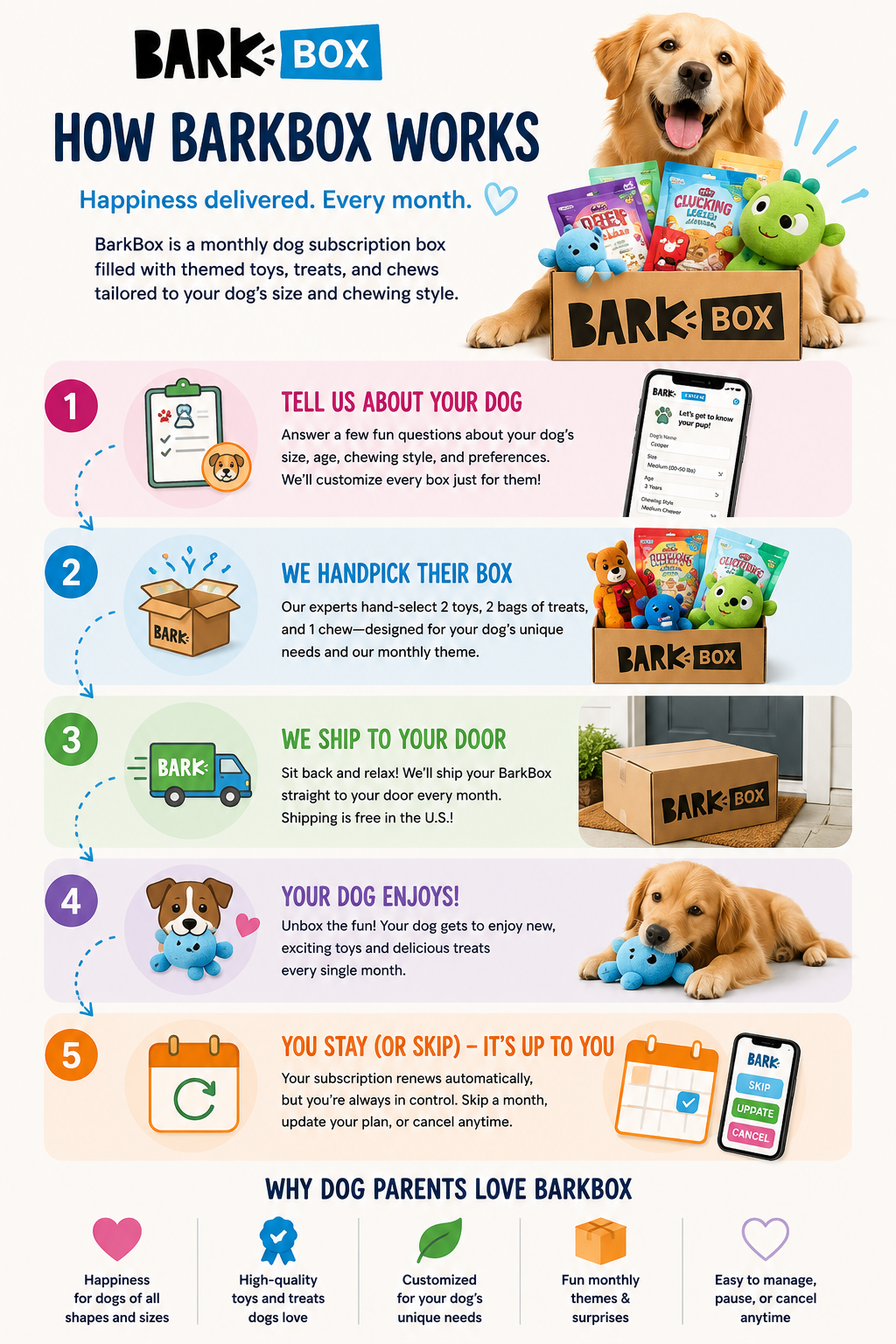
If you own a dog that destroys toys in five minutes, gets bored constantly, or somehow treats every package delivery like it was personally sent to them, you’ve probably looked into BarkBox. The idea behind BarkBox is simple. Every month, subscribers receive a themed box filled with dog toys, treats, and chews customized to their dog’s size and chewing habits. There’s also a tougher version called Super Chewer designed for dogs that absolutely demolish regular toys.
But the real question most dog owners ask before subscribing is simple: Is BarkBox actually worth the money?
After digging through customer experiences, Reddit discussions, reviews, pricing comparisons, and long-term subscriber feedback, the answer is yes for the right type of dog owner. But it’s definitely not perfect for everyone.
One of the biggest reasons BarkBox has stayed popular is because the toys are genuinely more creative than what most people buy at pet stores. Instead of generic squeaky toys, BarkBox leans heavily into funny monthly themes with unique characters, weird designs, and interactive concepts. For a lot of dogs, the novelty matters. Dogs get bored just like humans do, especially high-energy breeds. Many subscribers mention their dogs stay interested in BarkBox toys longer simply because new toys arrive every month.
Another reason people stick with BarkBox is convenience. A surprising number of dog owners eventually realize they already spend BarkBox-level money making random pet store purchases throughout the month anyway. One trip to Target or Petco turns into another rope toy, another bag of treats, another boredom purchase, and suddenly the subscription doesn’t seem that expensive anymore. Several long-term subscribers even mentioned BarkBox reduced their impulse spending because they stopped buying random toys between shipments.
For owners of aggressive chewers, Super Chewer tends to get much better reviews than the standard BarkBox. The toys are designed with stronger rubber, tougher materials, and heavier construction. Many owners of pit bulls, huskies, shepherds, and other destructive breeds say Super Chewer toys survive significantly longer than standard plush toys from pet stores. That said, no dog toy is truly indestructible. Some dogs can still destroy Super Chewer toys surprisingly fast, so expectations matter. If your dog can destroy a Kong toy in one sitting, BarkBox probably won’t perform miracles.
One thing BarkBox does particularly well compared to many subscription services is personalization. Boxes are customized based on dog size, allergies, chewing behavior, and toy preferences. That customization matters because dog owners tend to become extremely picky over time about what treats and toys actually work for their dog. BarkBox reportedly creates massive numbers of unique box combinations each month, and many subscribers appreciate that the company attempts to tailor the experience instead of sending identical boxes to everyone.
Still, BarkBox definitely has weaknesses. One complaint that shows up repeatedly in newer reviews is inconsistency in toy quality. Some longtime subscribers believe the durability and creativity of the toys have declined compared to earlier years. Others mention certain months feel amazing while other boxes feel repetitive or underwhelming. This inconsistency doesn’t necessarily mean BarkBox is bad, but it does mean the experience can vary month to month.
Another funny but very real downside is toy overload. Many subscribers eventually accumulate mountains of dog toys. Owners often joke that their dogs have enough toys to last for years. If your dog isn’t particularly destructive, the toys pile up surprisingly fast. Some people eventually pause or cancel simply because their home starts looking like a small dog toy warehouse.
The subscription model itself can also frustrate some users. BarkBox heavily encourages longer-term plans because the monthly price becomes cheaper with six- or twelve-month commitments. Some customers dislike the auto-renewal structure, upsells, promotional emails, or cancellation process. Customer support reviews online are mixed. Some people praise BarkBox for replacing damaged toys quickly, while others complain about billing frustrations or communication issues.
So who is BarkBox actually best for? Honestly, it works best for busy dog owners with energetic dogs who already spend money regularly on treats and toys. If your dog gets bored easily, destroys toys constantly, or genuinely gets excited by new things, BarkBox can feel surprisingly worthwhile. Many dog owners also enjoy the emotional side of the subscription. Dogs often recognize the box itself when it arrives, and for some families, the monthly unboxing becomes part of their routine.
On the other hand, BarkBox may not make sense for older low-energy dogs, dogs with highly restrictive diets, or owners who only want ultra-durable practical toys. If your dog has been perfectly happy with one tennis ball and an old sock for the last five years, a subscription box may be unnecessary.
The biggest debate around BarkBox usually comes down to value. Is it better than simply buying toys yourself? For some people, yes. Especially if they already make frequent impulse purchases for their pets. But disciplined dog owners who already know exactly which toys and treats work for their dog can probably save money buying selectively instead of subscribing monthly.
The choice between regular BarkBox and Super Chewer is also important. Regular BarkBox focuses more on fun plush toys and themed experiences, while Super Chewer focuses more heavily on durability and practical chewing. For dogs that routinely destroy toys, Super Chewer is almost always the better option.
Overall, BarkBox succeeds because it sells more than just dog toys. It sells convenience, novelty, entertainment, and emotional enjoyment for both dogs and owners. For the right household, that value is absolutely real. It’s not perfect, and some toys won’t survive as long as you hope, but compared to many subscription boxes available today, BarkBox remains one of the more genuinely enjoyable and useful services for dog owners.
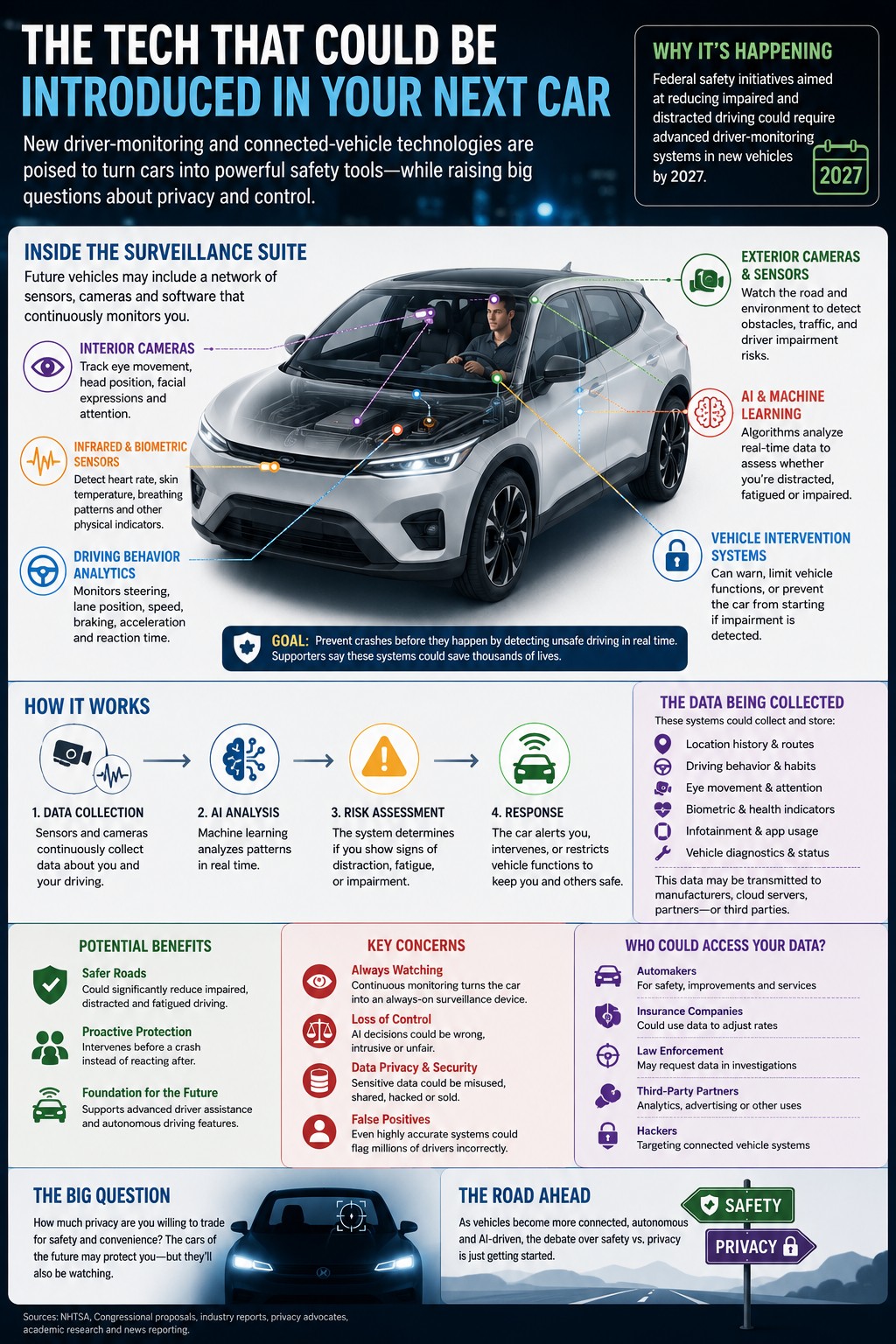
For decades, cars represented freedom. You got behind the wheel, rolled down the windows, and went wherever you wanted without much thought about who — or what — was watching. But that relationship between drivers and vehicles is rapidly changing, and many experts believe the next generation of cars may become some of the most sophisticated surveillance devices Americans own.
A growing national debate has erupted around new driver-monitoring technologies expected to become standard in future vehicles. Federal safety initiatives tied to impaired-driving prevention could require automakers to install advanced systems capable of monitoring driver behavior in real time by 2027. These systems use cameras, infrared sensors, artificial intelligence, and biometric tracking to analyze whether a driver appears distracted, fatigued, intoxicated, or otherwise impaired.
Supporters argue the technology could save thousands of lives. Drunk and distracted driving remain major causes of fatal crashes across the United States, and safety advocates say proactive monitoring systems could prevent accidents before they happen. Instead of reacting after dangerous driving occurs, future vehicles may intervene immediately by issuing warnings, limiting vehicle functions, or even preventing a car from starting altogether if impairment is detected.
But critics say the technology crosses a line that Americans may not fully understand yet.
Unlike traditional safety systems such as airbags or anti-lock brakes, these new systems continuously observe the driver. Cameras can track eye movement, head position, attention span, blinking patterns, and steering behavior. Some proposed technologies could eventually monitor heart rate, breathing patterns, or other physical indicators. Privacy advocates argue this transforms the car from a transportation tool into an always-on monitoring device.
One of the biggest fears centers around control. If artificial intelligence systems determine whether someone is “fit” to drive, critics worry about false positives and machine-made decisions interfering with everyday life. Something as simple as driving while tired after work, looking away briefly, or appearing stressed could potentially trigger warnings or restrictions depending on how sensitive the system becomes.
Even federal safety officials have acknowledged the challenge. According to reporting on the issue, transportation regulators noted that even systems with extremely high accuracy rates could still generate millions of false positives annually simply because of the enormous number of drivers on American roads every day.
Beyond the immediate driving experience, another question keeps surfacing: where does all the data go?
Modern vehicles already collect huge amounts of information, including location history, driving speed, braking habits, navigation routes, maintenance diagnostics, and infotainment usage. Many connected vehicles upload portions of that information to cloud-based systems operated by manufacturers. New driver-monitoring systems would dramatically increase the amount of behavioral data collected inside vehicles.
That has sparked fears about how the data could eventually be used. Privacy groups worry insurers could use driver-behavior data to adjust rates. Law enforcement agencies could potentially request access to vehicle records during investigations. Hackers may target connected systems storing sensitive information. Meanwhile, cybersecurity researchers have already demonstrated how location histories and other vehicle data can sometimes be extracted from connected cars.
The concerns are not entirely theoretical anymore. Researchers examining connected vehicle systems have warned that some modern cars already broadcast signals capable of revealing location information, while newer electric vehicles increasingly function more like rolling computers than traditional automobiles.
Automakers, however, argue that software-driven vehicles are the future. Advanced driver assistance systems, automatic emergency braking, adaptive cruise control, and lane-centering technologies all rely on increasing amounts of data and automation. Industry leaders believe AI-powered systems will eventually make roads dramatically safer while improving navigation, maintenance, and autonomous driving capabilities.
Some researchers believe society may already be becoming desensitized to automotive surveillance. A recent academic study examining autonomous vehicle users found many drivers viewed in-car monitoring as simply another extension of the broader digital surveillance already normalized through smartphones, apps, smart homes, and online platforms.
Still, the emotional reaction many drivers have toward surveillance inside vehicles feels different because cars occupy such a personal space in everyday life. For millions of Americans, driving represents privacy, independence, and personal control. The idea that a car may constantly evaluate its owner’s behavior — and potentially override human decisions — creates discomfort that goes beyond ordinary technology debates.
At the center of the issue is a difficult balancing act between safety and freedom. Few people oppose reducing drunk driving deaths. But many remain uneasy about handing that responsibility to software systems capable of watching, recording, analyzing, and reacting to human behavior every time someone gets behind the wheel.
As vehicles become more connected, autonomous, and AI-driven, the future of driving may involve more than horsepower and fuel economy. It may also force Americans to decide how much privacy they are willing to trade for convenience and safety.
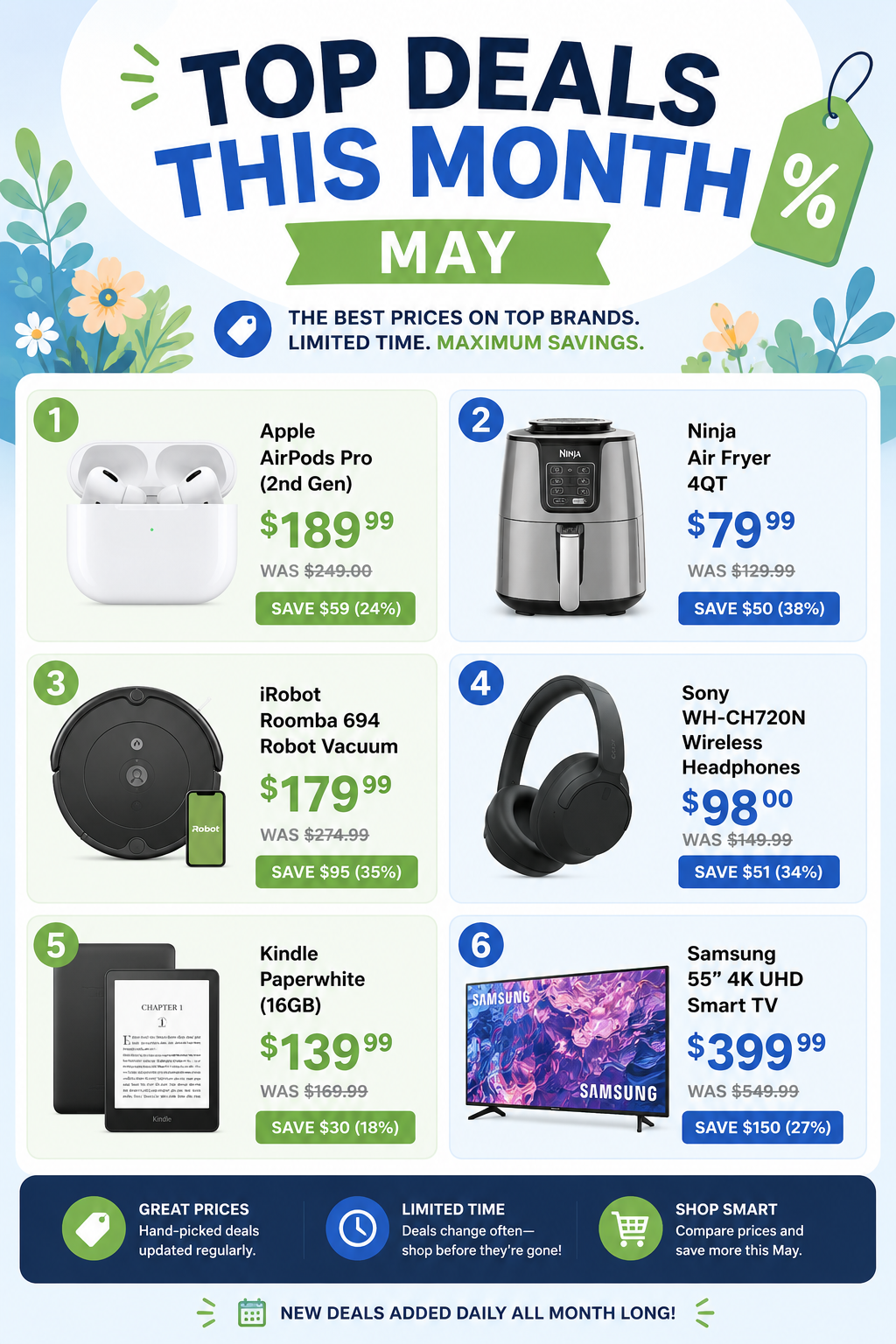
A few days ago I ran what I thought was a ridiculously generous offer.
I emailed my list and basically said:
“Sign up for my Patreon and I’ll send you a $20 Starbucks gift card.”
Simple. Direct. Real value.
Not “10% off.”
Not “exclusive access.”
Not “earn points.”
Literal coffee money.
And the response?
Almost nothing.
Barely any clicks. Barely any signups. Barely any reaction at all.
At first I thought maybe the offer sucked. Then I started thinking about something much weirder:
What if a huge chunk of the internet audience isn’t really there anymore?
That’s where the Dead Internet Theory starts creeping into your brain.
The Internet Feels Full — But Empty
If you’ve ever run a website, social account, email list, YouTube channel, coupon platform, or online community lately, you’ve probably felt this strange disconnect.
Your analytics say people are visiting.
Your impressions are high.
Your content gets “seen.”
But engagement feels hollow.
You post something genuinely valuable and it disappears into silence.
Then some random AI-generated garbage gets millions of views.
It’s honestly enough to make you feel slightly insane.
My Patreon Offer Should Have Worked
Let’s be real for a second.
A free $20 Starbucks card for joining a Patreon is objectively a strong offer. In some cases, the Starbucks card was worth almost as much as the membership itself.
Years ago, internet deal communities would’ve gone wild over something like that.
Coupon forums would’ve exploded.
Reddit would’ve dissected it.
Deal hunters would’ve shared it instantly.
Now?
Crickets.
And this keeps happening.
Time after time I send out:
huge discounts,
free offers,
aggressive promo deals,
genuinely useful shopping alerts,
and bizarrely few people react.
Not low reactions.
Almost unnaturally low.
At some point you stop asking:
“Was the offer good?”
And start asking:
“Was anyone actually reading it?”
The Dead Internet Theory Suddenly Feels Less Crazy
The Dead Internet Theory argues that large parts of the modern internet are now dominated by:
bots,
AI-generated content,
fake engagement,
algorithmic amplification,
and synthetic traffic instead of real humans.
The extreme versions of the theory get conspiratorial. But the basic feeling behind it? A lot of online creators and website owners quietly relate to it now.
Because modern internet traffic behaves strangely.
You’ll get:
views with no interaction,
followers who never engage,
email opens with no clicks,
viral impressions without conversions,
comment sections filled with obvious bots,
and traffic spikes that feel completely disconnected from human behavior.
Security companies have reported that bot traffic now makes up a massive percentage of internet activity. Some estimates place automated traffic above 50% of all web activity.
Honestly, after running websites for years… I believe it.
Coupon and Shopping Sites Feel This Harder Than Almost Anyone
Shopping websites, coupon platforms, affiliate marketers, and deal communities are probably some of the first industries fully experiencing the “dead internet” effect.
Why?
Because the space became flooded with:
AI-generated coupon pages,
fake promo code sites,
automated SEO articles,
bot traffic,
fake clicks,
and mass-produced shopping content.
Search for almost any retailer coupon now and you’ll find pages clearly built by machines for search engines instead of humans.
Some coupon sites generate tens of thousands of near-identical pages hoping Google sends traffic.
The weird part?
Sometimes it works.
Meanwhile, genuine curated offers barely move the needle anymore because users are overwhelmed with synthetic noise.
Other Creators Are Talking About This Too
I’m definitely not the only person feeling this.
YouTubers constantly talk about having millions of subscribers but terrible reach.
Newsletter writers complain that email engagement collapsed even with highly targeted audiences.
Independent bloggers say traffic became unpredictable and disconnected from quality.
Artists and creators post about feeling invisible despite consistent output.
Even large creators have started openly questioning whether social media platforms suppress real engagement while amplifying algorithmically useful content.
There are entire Reddit threads filled with business owners asking:
“Why does nobody click anymore?”
“Why does everything feel fake?”
“Are these followers even real?”
And honestly… it’s becoming harder to dismiss those concerns.
Maybe People Are Just Burned Out
Now to be fair, there are also completely human explanations.
People are exhausted online.
Everyone is overloaded with:
notifications,
emails,
ads,
subscription offers,
influencer promotions,
popups,
AI spam,
and constant digital noise.
Attention itself became fragmented.
Even a genuinely great offer can disappear because modern users are psychologically numb to online marketing.
A free $20 Starbucks card doesn’t even register emotionally anymore because people have been trained to distrust everything online.
That’s probably part of the problem too.
Algorithms Reward Noise, Not Humanity
The internet increasingly rewards content that:
triggers reactions,
farms outrage,
manipulates curiosity,
or keeps users scrolling.
Not necessarily content that’s useful or genuine.
That creates a bizarre environment where authentic creators often feel invisible while low-effort AI content spreads everywhere.
And if you run a shopping or coupon site like 9Malls, you feel this shift constantly.
Real deals compete against:
fake urgency,
AI-generated spam pages,
recycled coupons,
and algorithmically optimized junk.
Sometimes it genuinely feels like you’re trying to talk to humans through a wall of machines.
“Anyone There?”
That’s really the feeling underneath all of this.
Not paranoia.
Not conspiracy theories.
Just that strange modern internet feeling of yelling into the void.
You send out a genuinely good offer and hear almost nothing back.
Meanwhile bots scrape your content, AI rewrites it somewhere else, and fake engagement floods social platforms.
The internet looks bigger than ever on paper.
But sometimes it feels emptier than it’s ever been.
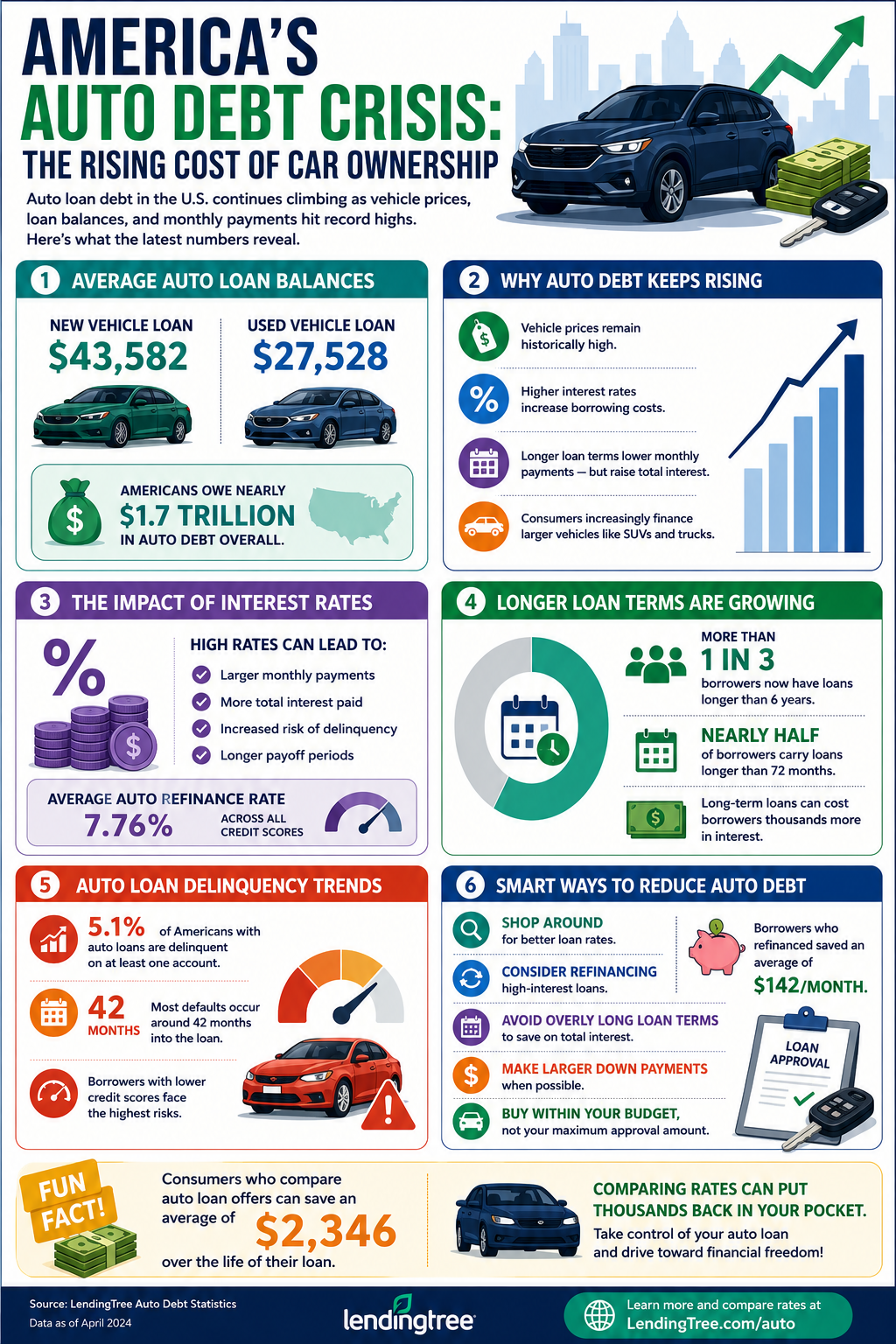
Auto loan debt in the U.S. is reaching record highs as rising vehicle prices, longer loan terms, and higher interest rates put pressure on consumers. This infographic breaks down average loan balances, delinquency trends, refinancing savings, and smart strategies drivers can use to reduce debt and avoid overpaying for their vehicles.
Need help with managing debt visit: https://www.moneymaxaccount.com/moneymaxdemo/
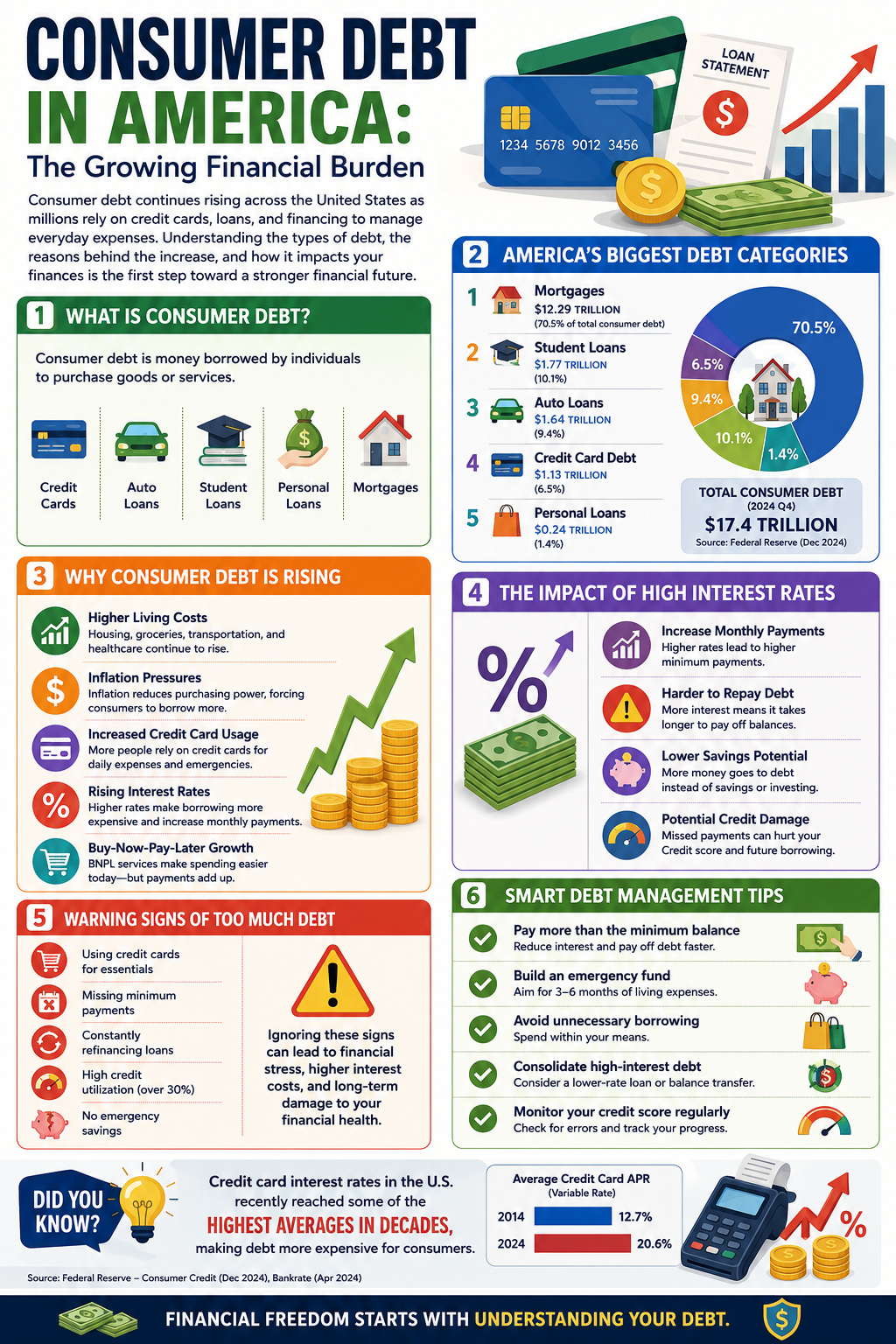
Consumer debt is reshaping household finances across the United States. This infographic explores the biggest debt categories, why borrowing continues to rise, the impact of high interest rates, and warning signs of financial stress. Discover practical strategies to manage debt smarter and protect your long-term financial future.
Need help with managing debt visit: https://www.moneymaxaccount.com/moneymaxdemo/
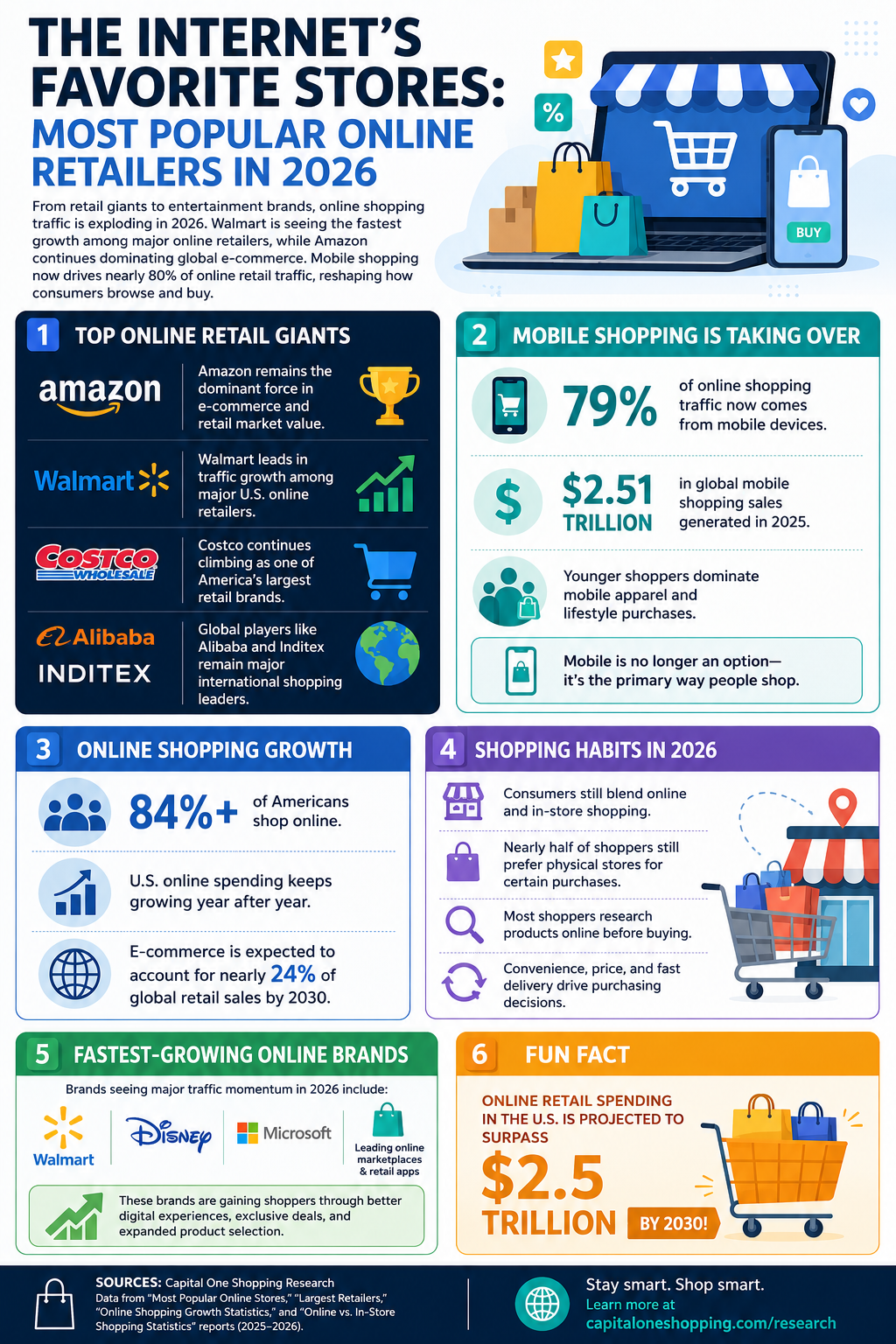
Discover the biggest names dominating online shopping in 2026. This infographic highlights the fastest-growing retailers, the rise of mobile commerce, evolving shopping habits, and the massive growth of e-commerce worldwide. From Amazon’s continued dominance to Walmart’s explosive traffic growth, see how consumers are reshaping the future of retail.
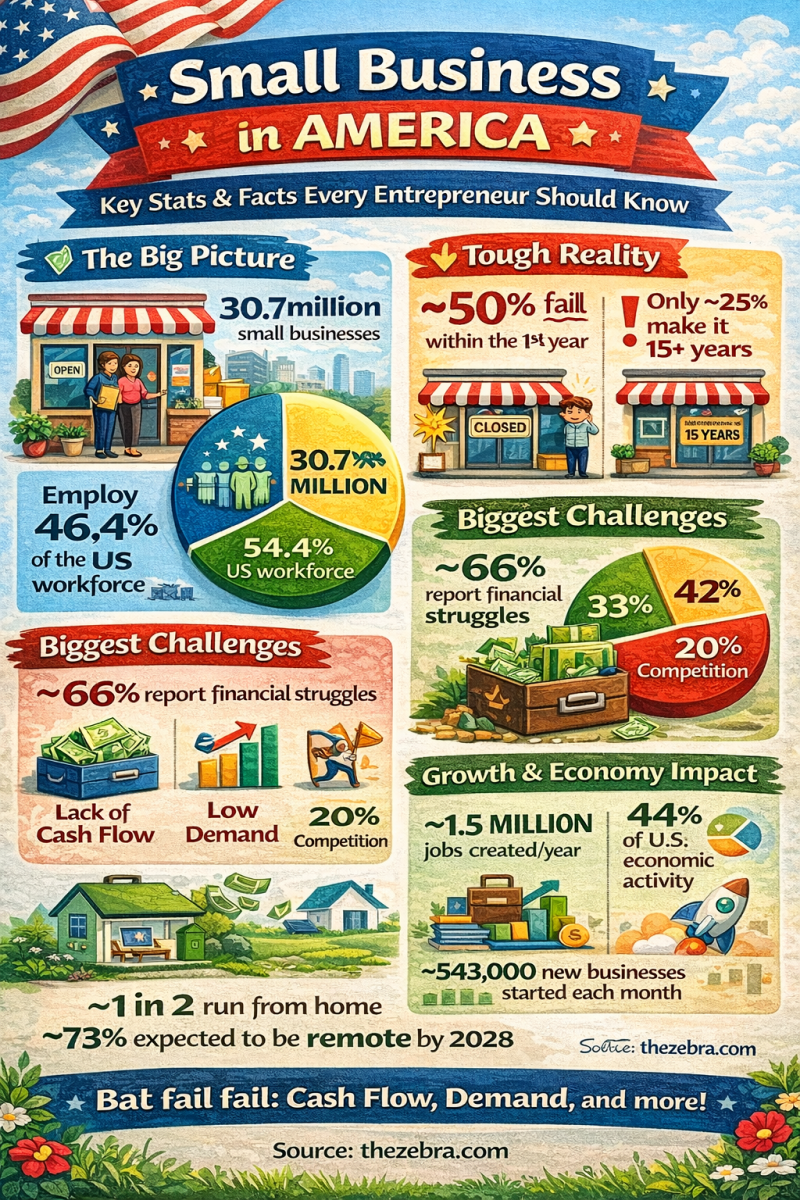
Small businesses power the U.S. economy—making up nearly all companies and employing millions. But behind the growth is a tough reality: many struggle with cash flow, demand, and competition. Understanding the numbers can help you build smarter, grow faster, and beat the odds.
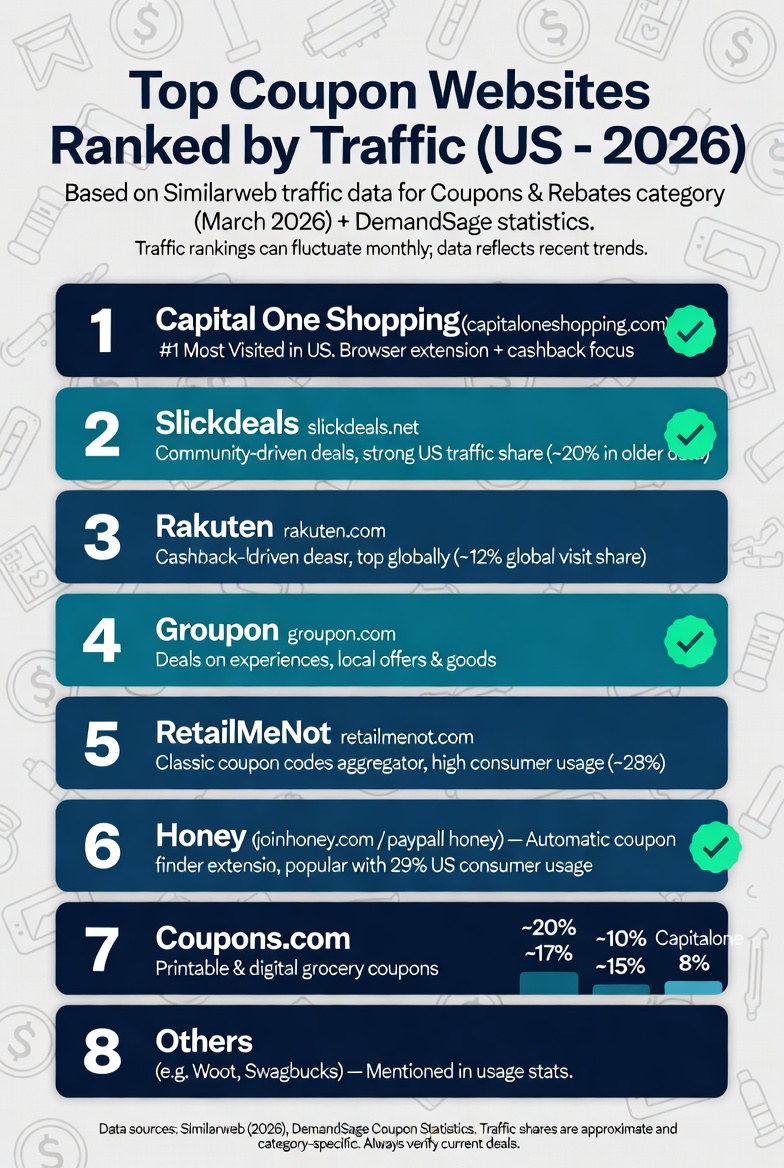
In a world where every dollar counts, coupon and cashback sites have become essential tools for savvy shoppers. Whether you’re hunting for the best promo codes, automatic discounts at checkout, or community-vetted deals, the right platform can save you hundreds — or even thousands — per year.
Here’s a clear, up-to-date ranking of the top 10 coupon websites by US traffic as of March 2026, based on Similarweb data for the Coupons & Rebates category combined with DemandSage statistics.
1. Capital One Shopping (capitaloneshopping.com)
#1 Most Visited in the US
Capital One Shopping leads the pack with its powerful browser extension and automatic cashback features. It quietly finds the best prices and applies discounts without any extra effort from the user. Perfect for everyday online shopping.
2. Slickdeals (slickdeals.net)
Community-Driven Deal Powerhouse
Slickdeals consistently ranks near the top thanks to its active user community that posts and votes on the hottest deals. It holds a strong ~20% share of US traffic in the category, making it the go-to spot for deal hunters who want real-time alerts and discussions.
3. Rakuten (rakuten.com)
Global Cashback Leader
Rakuten dominates with its cashback rewards program. It offers strong payouts on thousands of stores and remains one of the most visited sites both in the US and globally (~10-12% share). Many users love the quarterly cashback payments.
4. Groupon (groupon.com)
Deals on Experiences & Goods
Groupon continues to thrive by offering deep discounts on local experiences, travel, restaurants, and everyday products. It’s especially popular for anyone looking beyond standard retail coupons.
5. RetailMeNot (retailmenot.com)
Classic Coupon Code Aggregator
One of the oldest and most trusted names in the space. RetailMeNot remains a favorite for manually searching and verifying coupon codes, with high consumer usage rates around 28%.6.
6. Honey (joinhoney.com / PayPal Honey)
Automatic Coupon Finder
Honey (now part of PayPal) excels at automatically testing thousands of coupon codes at checkout. Its browser extension makes it incredibly popular — millions of users rely on it for effortless savings.
7. Coupons.com
Grocery & Printable Coupons
Specializing in grocery savings, Coupons.com offers both printable coupons and digital versions that can be loaded directly to your loyalty cards. A must-have for weekly grocery runs.
8. Ibotta (ibotta.com)
Cashback on Groceries & In-Store Purchases
Ibotta shines for in-store and grocery shopping, offering cashback on specific items after uploading receipts or linking accounts. Great for everyday household spending.
9. CouponCabin / Offers.com
Solid Code-Focused Sites
These sites provide reliable coupon codes and deal alerts. They serve as strong backups when the bigger players don’t have what you need.
10. Others (Hip2Save, DealNews, Swagbucks, etc.)
Niche and emerging platforms continue to carve out their own loyal audiences with unique features like rewards points, flash sales, or specialized deal categories.
Pro Tip for Maximum Savings
Browser extensions like Capital One Shopping and Honey often deliver the biggest time-saving wins at checkout because they work automatically. Combine them with community sites like Slickdeals for the best overall strategy.
Data Note
Traffic rankings are based on Similarweb (March 2026) and DemandSage Coupon Statistics. Numbers can shift monthly depending on seasonality, promotions, and platform updates. Always verify current deals and terms directly on each site.
From quirky “As Seen On TV” products to surprisingly practical kitchen tools, these are the most popular videos from the 9malls channel. Take a look at the gadgets that captured hundreds of thousands of views—and find out which ones actually lived up to the hype.

Discover practical feng shui ideas that help create a more peaceful and balanced living space. From furniture placement to natural elements, these tips can transform the energy of your home.

Economic uncertainty hasn’t stopped consumers from spending. Discover the key trends behind modern buying behavior—from experience spending to price comparison and tech-driven shopping.
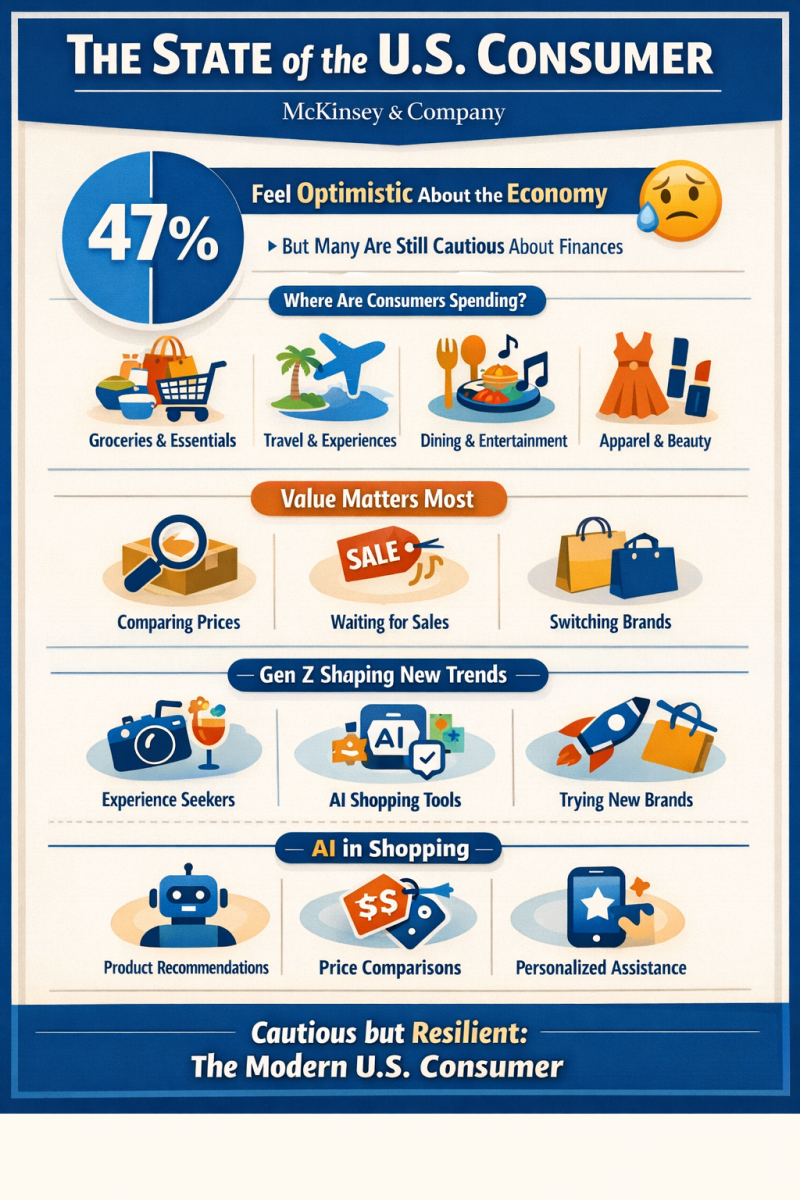
The modern U.S. consumer is cautious but resilient. While economic uncertainty influences spending habits, Americans are still prioritizing experiences, searching for value, and embracing new technologies like AI to shop smarter.
Looking to earn extra income this year? Discover seven of the highest-paying side hustles for 2026—from AI consulting to online course creation—and learn how people are turning their skills into thousands of dollars in monthly income.