
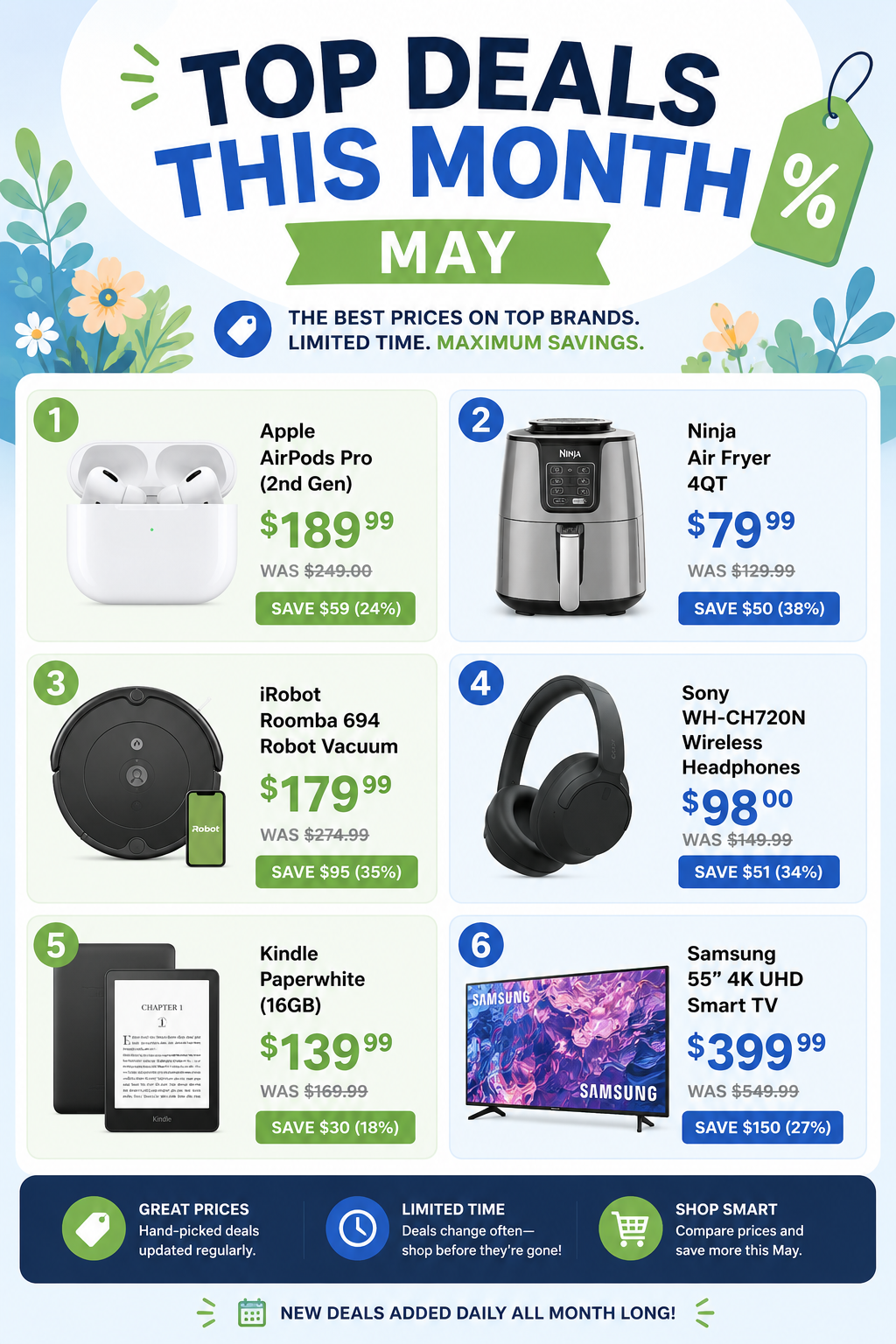
If you love weird flash sales, random tech markdowns, discounted kitchen gadgets, and those “wait… why is this so cheap?” moments, Woot is still one of the internet’s hidden gems. Originally famous for its “one deal a day” model, Woot is now owned by Amazon and constantly rotates limited-time deals across electronics, home goods, tools, apparel, gaming, and more.
For shoppers using 9malls Woot Coupons, the biggest trick is knowing where to find active promo codes before the deals disappear. Woot changes offers fast — sometimes daily — and many coupons only last a few hours.
Where To Find Woot Coupon Codes https://www.9malls.com/store/woot/
The best places to find working Woot discounts include:
- 9malls Woot Coupon Page https://www.9malls.com/store/woot/
- Woot’s homepage flash sales
- Amazon Prime member promos
- Cashback extensions like Honey, Rakuten, and Capital One Shopping
- Daily deal blogs and coupon trackers
Many Woot codes are category-specific instead of sitewide. That means one code may work only for gaming gear, while another is just for kitchen appliances or apparel.
Popular Woot Coupon Types Right Now
Here are the kinds of discounts currently showing up across coupon networks and deal trackers:
Deal Type Typical Savings
Extra percent-off coupons 10%–30% off
Dollar-off coupons $5–$15 off
Bundle discounts Buy multiple items, save extra
Amazon Prime shipping perks Free shipping
Clearance markdowns Up to 70% off
Recent examples include:
“Spend $30, get $10 off” offers using promo codes like RANDOM
Extra 20% off select sales events
$5 off gaming accessories
Category-based discounts on tech, groceries, and home goods
Amazon Prime Makes Woot Better
One of the biggest Woot hacks? Amazon Prime.
Prime members typically get:
Free standard shipping
Free Shirt.Woot express shipping
Access to some Prime-exclusive promotions
Without Prime, Woot usually charges a flat shipping fee per order, so coupon savings can disappear fast on smaller purchases.
Best Categories To Watch on Woot
Some categories consistently have stronger discounts than others:
Electronics
This is where Woot gets addictive. Refurbished laptops, headphones, monitors, Kindles, tablets, smart home gear, and random Amazon hardware show up constantly.
Home & Kitchen
Air fryers, cookware, vacuums, storage organizers, and small appliances regularly hit deep discounts.
Gaming & PC Accessories
Woot quietly drops solid gaming deals, especially on keyboards, mice, headsets, and monitors.
Shirts & Apparel
The famous Shirt.Woot section still runs rotating graphic tee deals and occasional extra percentage-off coupon events.
Tips For Getting the Best Woot Deals
Check Early
Woot inventory can vanish ridiculously fast. Some deals sell out within hours.
Stack Cashback
Use cashback sites like:
Rakuten
Honey
Capital One Shopping
These sometimes add 3%–6% cashback on top of promo codes.
Watch for Refurbished Electronics
A lot of Woot’s best prices are refurbished or “like new.” Usually worth it — but always read warranty details carefully.
Don’t Wait Too Long
Woot is very much a “hesitate and lose it” kind of website 😅
Why People Still Love Woot
Even with giant retailers everywhere now, Woot still feels a little chaotic in the fun way. One day it’s discounted Apple gear, the next it’s pickleball paddles, emergency rations, cat furniture, and a random pallet of smart plugs.
That unpredictability is kind of the point.
And honestly? Coupon hunters love it because prices can occasionally beat Amazon itself — especially when you stack:
a Woot markdown,
a coupon code,
Prime free shipping,
and cashback rewards.
That combo can get surprisingly wild.
Final Thoughts
If you’re shopping on Woot regularly, bookmarking the 9malls Woot coupon page is smart because Woot promo codes expire fast and rotate constantly.
The best strategy:
Check Woot daily deals https://www.9malls.com/store/woot/
Look for extra promo codes
Stack cashback
Use Prime shipping perks
Buy before the deal disappears
That’s basically the Woot survival guide 🛒🔥
A few days ago I ran what I thought was a ridiculously generous offer.
I emailed my list and basically said:
“Sign up for my Patreon and I’ll send you a $20 Starbucks gift card.”
Simple. Direct. Real value.
Not “10% off.”
Not “exclusive access.”
Not “earn points.”
Literal coffee money.
And the response?
Almost nothing.
Barely any clicks. Barely any signups. Barely any reaction at all.
At first I thought maybe the offer sucked. Then I started thinking about something much weirder:
What if a huge chunk of the internet audience isn’t really there anymore?
That’s where the Dead Internet Theory starts creeping into your brain.
The Internet Feels Full — But Empty
If you’ve ever run a website, social account, email list, YouTube channel, coupon platform, or online community lately, you’ve probably felt this strange disconnect.
Your analytics say people are visiting.
Your impressions are high.
Your content gets “seen.”
But engagement feels hollow.
You post something genuinely valuable and it disappears into silence.
Then some random AI-generated garbage gets millions of views.
It’s honestly enough to make you feel slightly insane.
My Patreon Offer Should Have Worked
Let’s be real for a second.
A free $20 Starbucks card for joining a Patreon is objectively a strong offer. In some cases, the Starbucks card was worth almost as much as the membership itself.
Years ago, internet deal communities would’ve gone wild over something like that.
Coupon forums would’ve exploded.
Reddit would’ve dissected it.
Deal hunters would’ve shared it instantly.
Now?
Crickets.
And this keeps happening.
Time after time I send out:
huge discounts,
free offers,
aggressive promo deals,
genuinely useful shopping alerts,
and bizarrely few people react.
Not low reactions.
Almost unnaturally low.
At some point you stop asking:
“Was the offer good?”
And start asking:
“Was anyone actually reading it?”
The Dead Internet Theory Suddenly Feels Less Crazy
The Dead Internet Theory argues that large parts of the modern internet are now dominated by:
bots,
AI-generated content,
fake engagement,
algorithmic amplification,
and synthetic traffic instead of real humans.
The extreme versions of the theory get conspiratorial. But the basic feeling behind it? A lot of online creators and website owners quietly relate to it now.
Because modern internet traffic behaves strangely.
You’ll get:
views with no interaction,
followers who never engage,
email opens with no clicks,
viral impressions without conversions,
comment sections filled with obvious bots,
and traffic spikes that feel completely disconnected from human behavior.
Security companies have reported that bot traffic now makes up a massive percentage of internet activity. Some estimates place automated traffic above 50% of all web activity.
Honestly, after running websites for years… I believe it.
Coupon and Shopping Sites Feel This Harder Than Almost Anyone
Shopping websites, coupon platforms, affiliate marketers, and deal communities are probably some of the first industries fully experiencing the “dead internet” effect.
Why?
Because the space became flooded with:
AI-generated coupon pages,
fake promo code sites,
automated SEO articles,
bot traffic,
fake clicks,
and mass-produced shopping content.
Search for almost any retailer coupon now and you’ll find pages clearly built by machines for search engines instead of humans.
Some coupon sites generate tens of thousands of near-identical pages hoping Google sends traffic.
The weird part?
Sometimes it works.
Meanwhile, genuine curated offers barely move the needle anymore because users are overwhelmed with synthetic noise.
Other Creators Are Talking About This Too
I’m definitely not the only person feeling this.
YouTubers constantly talk about having millions of subscribers but terrible reach.
Newsletter writers complain that email engagement collapsed even with highly targeted audiences.
Independent bloggers say traffic became unpredictable and disconnected from quality.
Artists and creators post about feeling invisible despite consistent output.
Even large creators have started openly questioning whether social media platforms suppress real engagement while amplifying algorithmically useful content.
There are entire Reddit threads filled with business owners asking:
“Why does nobody click anymore?”
“Why does everything feel fake?”
“Are these followers even real?”
And honestly… it’s becoming harder to dismiss those concerns.
Maybe People Are Just Burned Out
Now to be fair, there are also completely human explanations.
People are exhausted online.
Everyone is overloaded with:
notifications,
emails,
ads,
subscription offers,
influencer promotions,
popups,
AI spam,
and constant digital noise.
Attention itself became fragmented.
Even a genuinely great offer can disappear because modern users are psychologically numb to online marketing.
A free $20 Starbucks card doesn’t even register emotionally anymore because people have been trained to distrust everything online.
That’s probably part of the problem too.
Algorithms Reward Noise, Not Humanity
The internet increasingly rewards content that:
triggers reactions,
farms outrage,
manipulates curiosity,
or keeps users scrolling.
Not necessarily content that’s useful or genuine.
That creates a bizarre environment where authentic creators often feel invisible while low-effort AI content spreads everywhere.
And if you run a shopping or coupon site like 9Malls, you feel this shift constantly.
Real deals compete against:
fake urgency,
AI-generated spam pages,
recycled coupons,
and algorithmically optimized junk.
Sometimes it genuinely feels like you’re trying to talk to humans through a wall of machines.
“Anyone There?”
That’s really the feeling underneath all of this.
Not paranoia.
Not conspiracy theories.
Just that strange modern internet feeling of yelling into the void.
You send out a genuinely good offer and hear almost nothing back.
Meanwhile bots scrape your content, AI rewrites it somewhere else, and fake engagement floods social platforms.
The internet looks bigger than ever on paper.
But sometimes it feels emptier than it’s ever been.
The internet used to feel human.
You’d search for a product, read real reviews from actual people, hunt down a working coupon code in some sketchy forum thread, and maybe stumble across a weird personal blog that somehow gave the best buying advice on the entire web.
Now? A lot of the internet feels manufactured.
Product reviews sound identical. “Best Of” lists feel copied and pasted. Coupon sites are overloaded with fake promo codes. Social feeds are flooded with AI-generated junk designed purely to farm clicks.
And that’s why the “Dead Internet Theory” suddenly feels less like a conspiracy theory and more like a warning sign.
The theory claims the modern internet is increasingly dominated by bots, AI-generated content, and algorithmic manipulation instead of real human interaction. While the more extreme versions are definitely over-the-top, the underlying concern is becoming harder to ignore. According to Imperva’s 2025 Bad Bot Report, automated traffic now makes up over half of all internet activity, with malicious “bad bots” alone accounting for 37% of traffic.
That shift is changing online shopping in ways most consumers probably don’t even realize.
The Rise of “AI Slop” Shopping Content
A huge portion of shopping-related content online now exists for one reason only: gaming search engines and affiliate commissions.
Search for almost any product today and you’ll see endless articles like:
“Top 10 Best Air Fryers”
“Best Laptops Under $500”
“Top Amazon Deals Today”
The problem? Many of these pages are barely written by humans anymore.
AI can generate thousands of shopping articles in minutes. Some websites now mass-produce product pages, coupon pages, and “review” content at industrial scale. Researchers studying AI-generated virality have found that synthetic content is increasingly optimized specifically to manipulate recommendation algorithms and search visibility.
And honestly… shoppers can feel it.
You click an article and instantly know nobody actually tested the products. The writing feels generic, repetitive, and weirdly empty.
That’s part of why trust online is collapsing.
Coupon Codes Have Become a Perfect Example
Coupon sites used to feel like treasure hunts.
Someone found a real promo code, shared it online, and other users confirmed whether it worked. There was a sense of community around saving money.
Now a lot of coupon websites are packed with:
expired codes,
fake “exclusive” offers,
auto-generated retailer pages,
AI-written shopping tips,
and endless SEO bait.
Some sites create thousands of low-value pages targeting search traffic without actually helping shoppers.
Google has even started updating its spam policies specifically to combat AI-generated manipulation tactics and low-quality search spam designed to game rankings.
That matters because coupon shoppers are especially vulnerable to fake engagement and synthetic content. People searching for discounts are often making quick decisions, and low-quality websites know that.
Why Authentic Shopping Communities Are Becoming More Valuable
Ironically, as the internet becomes more artificial, real human-curated shopping platforms become more important.
People are increasingly looking for:
verified coupon codes,
community-voted deals,
real shopping discussions,
authentic user reviews,
and curated recommendations instead of AI spam.
That’s one reason communities like Reddit, deal forums, and trusted coupon platforms still matter so much. Users want signals that actual humans are involved.
Trustpilot recently reported that brands with real customer reviews are dramatically more visible in AI-generated search experiences compared to brands with little or no verified feedback.
In the AI era, authenticity itself becomes a competitive advantage.
The New Battle: Human Recommendations vs Algorithmic Noise
The internet is entering a weird phase where shopping platforms are fighting two battles at once:
competing for traffic,
and proving they’re trustworthy humans instead of automated content farms.
Even search itself is changing. Analysts say AI-powered search engines are shifting away from old-school SEO tricks and toward signals like consistency, verification, reputation, and trust.
That’s huge for coupon and shopping sites.
The winners in the next version of the web probably won’t be the sites producing the most content. They’ll be the sites producing the most credible content.
That means:
real deal verification,
transparent affiliate relationships,
community engagement,
updated offers,
genuine shopping insights,
and actual human curation.
Why Sites Like 9Malls Matter More in an AI Internet
As fake shopping content spreads across the web, curated deal platforms become a filter against algorithmic junk.
Shoppers don’t just want endless coupon pages anymore. They want confidence:
Is this code real?
Is this deal actually good?
Is this retailer trustworthy?
Did a real person verify this?
That human layer matters now more than ever.
The future of shopping online may end up looking surprisingly old-school: communities, trusted recommendations, real reviews, and curated deals from platforms people actually trust.
Because once the internet fills up with synthetic noise, authenticity becomes premium.
The Internet Isn’t Dead — But Trust Is Under Pressure
The Dead Internet Theory isn’t literally true. Humans still dominate culture, conversations, memes, and shopping decisions.
But the feeling behind the theory is absolutely real.
The modern internet is increasingly crowded with bots, AI-generated pages, fake engagement, and algorithmically optimized content designed to manipulate attention instead of helping people.
And nowhere is that more obvious than online shopping.
That’s why the next generation of successful shopping and coupon sites probably won’t win by publishing the most pages.
They’ll win by feeling human.
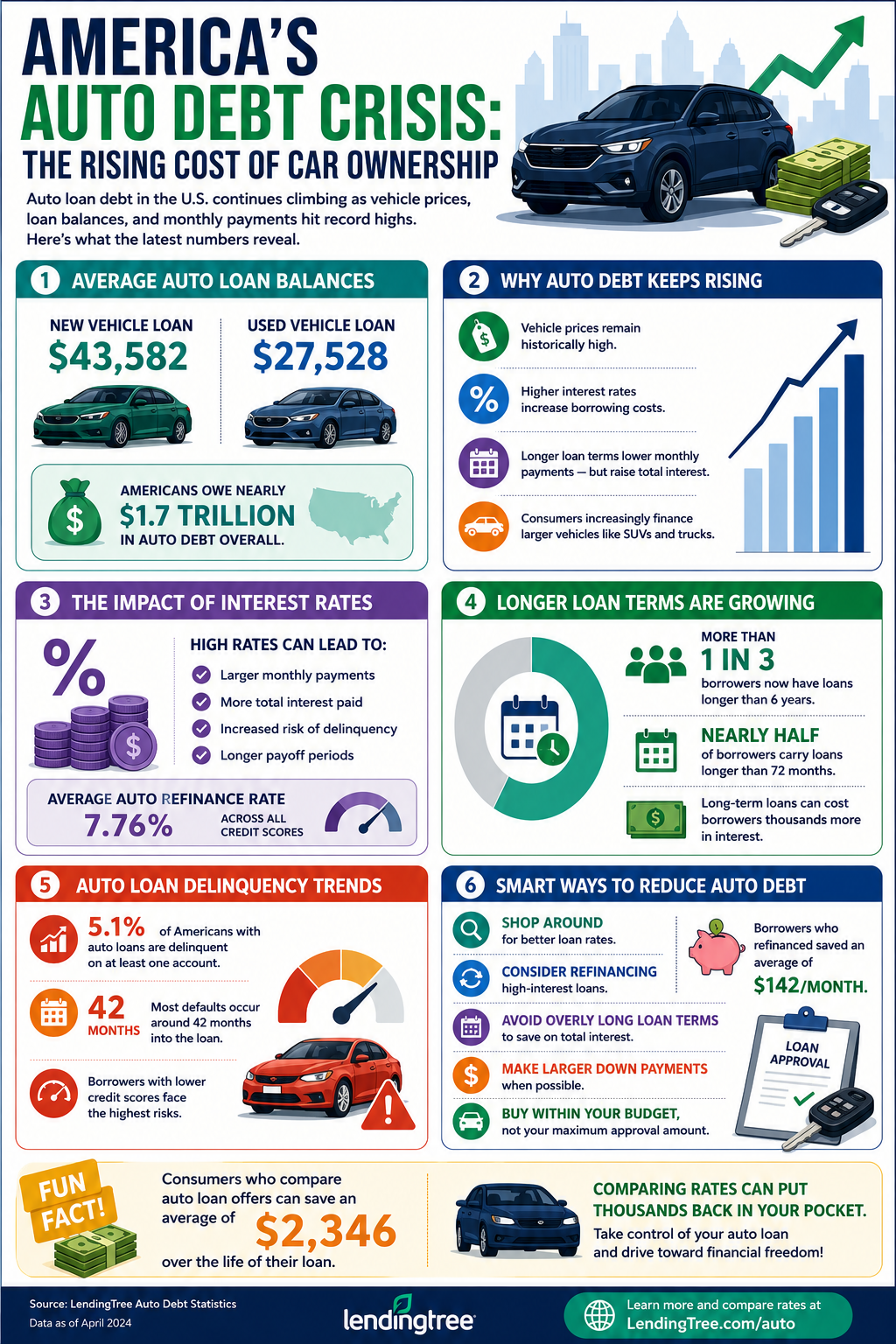
Auto loan debt in the U.S. is reaching record highs as rising vehicle prices, longer loan terms, and higher interest rates put pressure on consumers. This infographic breaks down average loan balances, delinquency trends, refinancing savings, and smart strategies drivers can use to reduce debt and avoid overpaying for their vehicles.
Need help with managing debt visit: https://www.moneymaxaccount.com/moneymaxdemo/
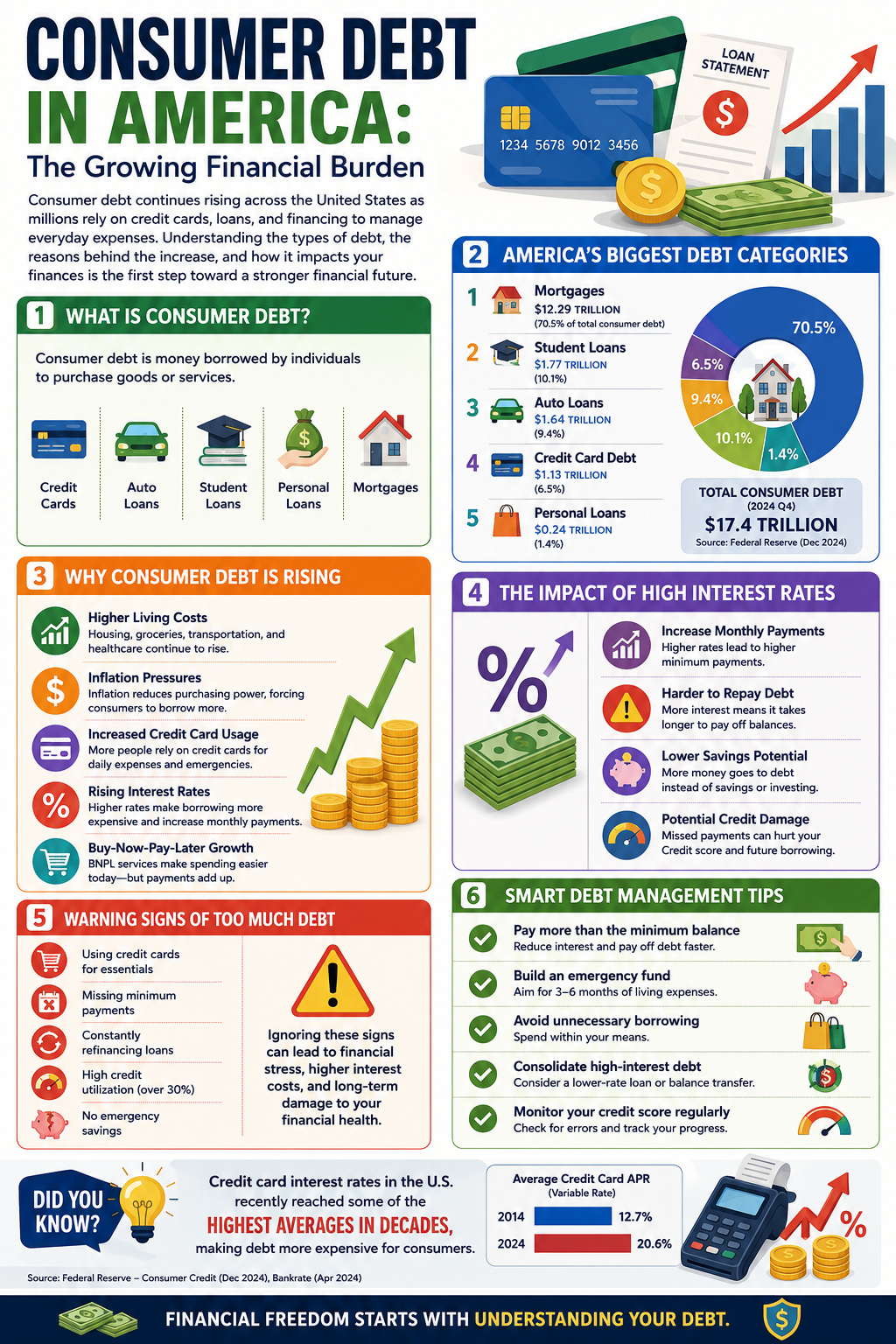
Consumer debt is reshaping household finances across the United States. This infographic explores the biggest debt categories, why borrowing continues to rise, the impact of high interest rates, and warning signs of financial stress. Discover practical strategies to manage debt smarter and protect your long-term financial future.
Need help with managing debt visit: https://www.moneymaxaccount.com/moneymaxdemo/
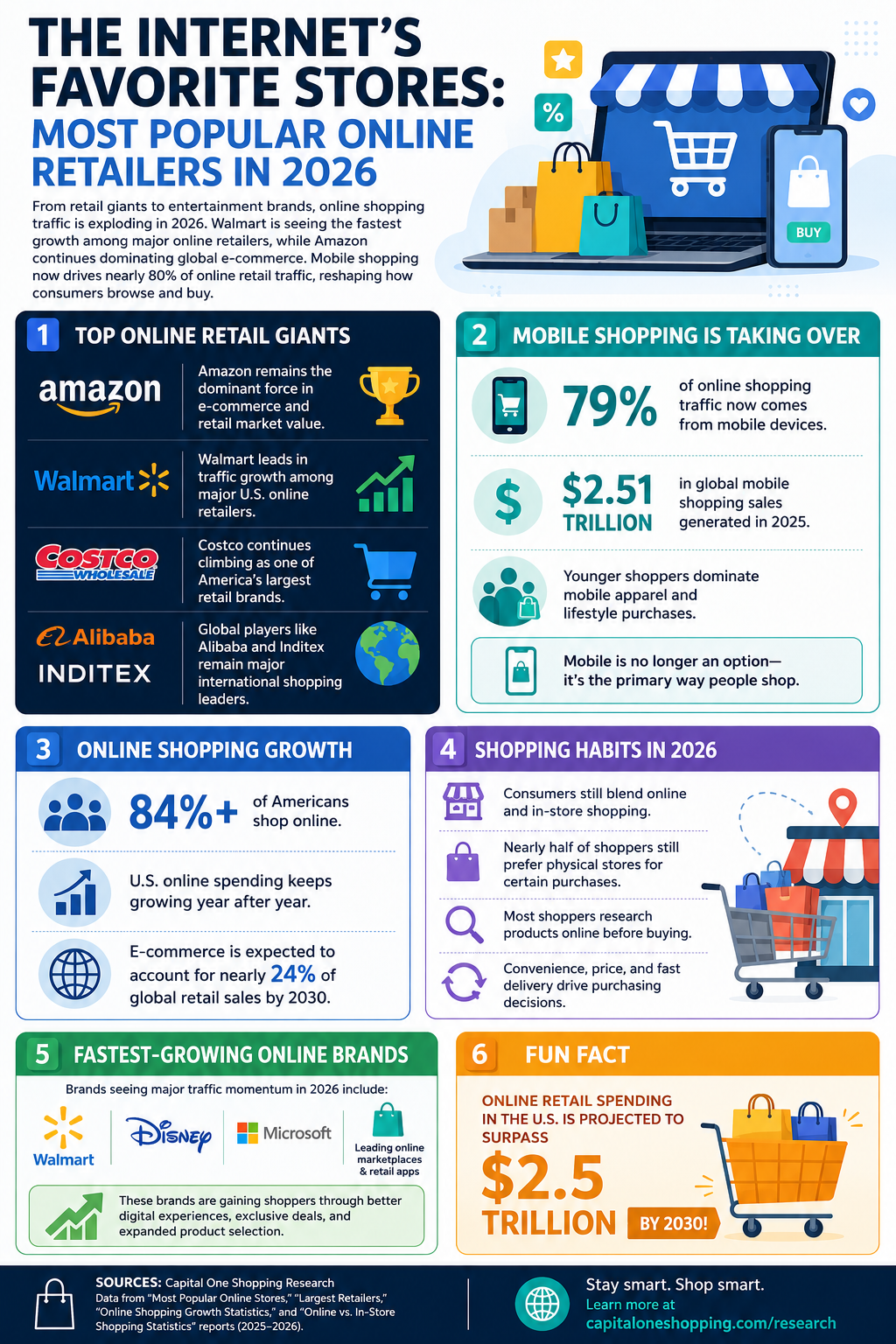
Discover the biggest names dominating online shopping in 2026. This infographic highlights the fastest-growing retailers, the rise of mobile commerce, evolving shopping habits, and the massive growth of e-commerce worldwide. From Amazon’s continued dominance to Walmart’s explosive traffic growth, see how consumers are reshaping the future of retail.
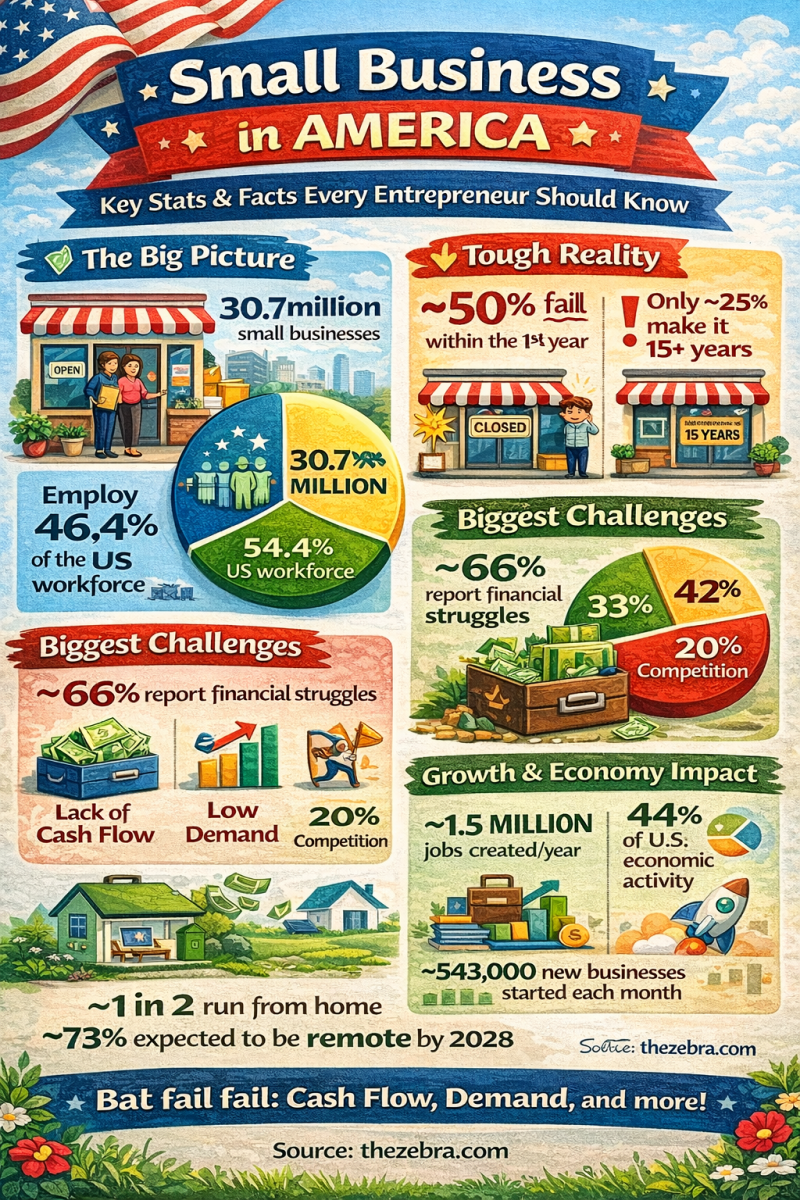
Small businesses power the U.S. economy—making up nearly all companies and employing millions. But behind the growth is a tough reality: many struggle with cash flow, demand, and competition. Understanding the numbers can help you build smarter, grow faster, and beat the odds.
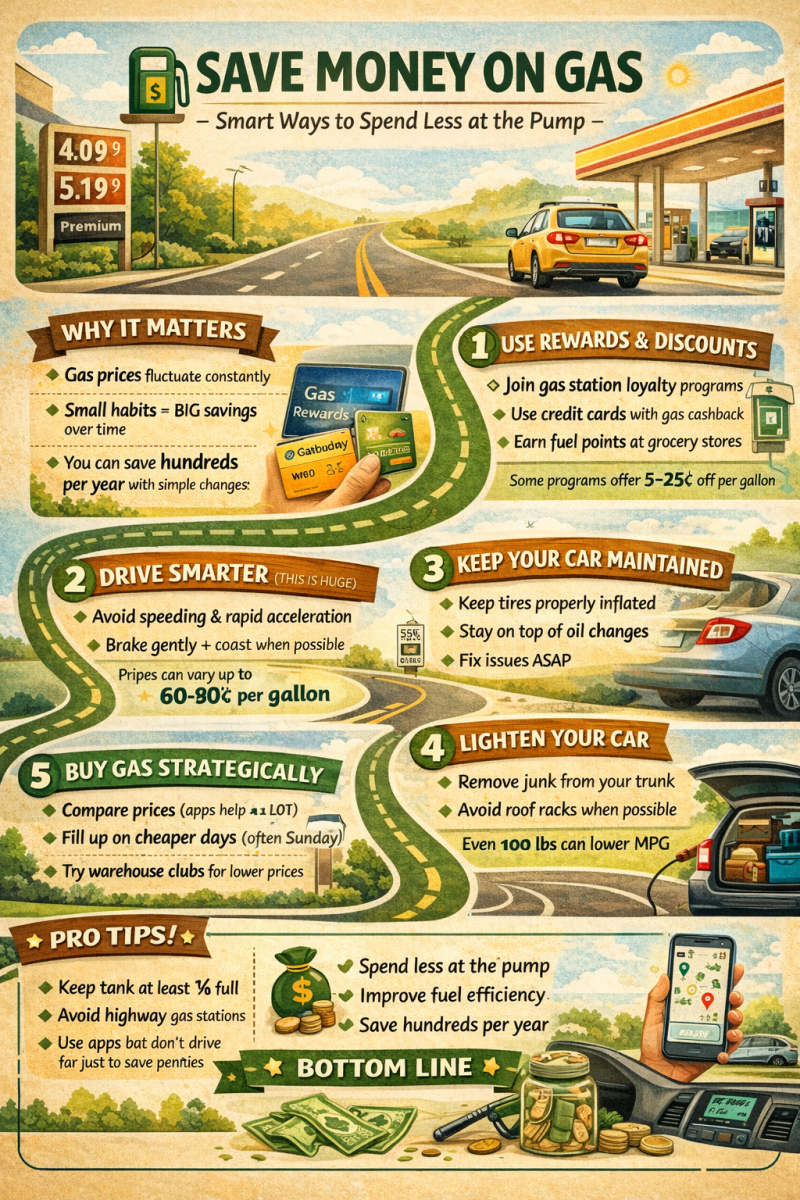
From quick driving tweaks to easy car maintenance, these tips help you stretch your tank further and keep more cash in your pocket.
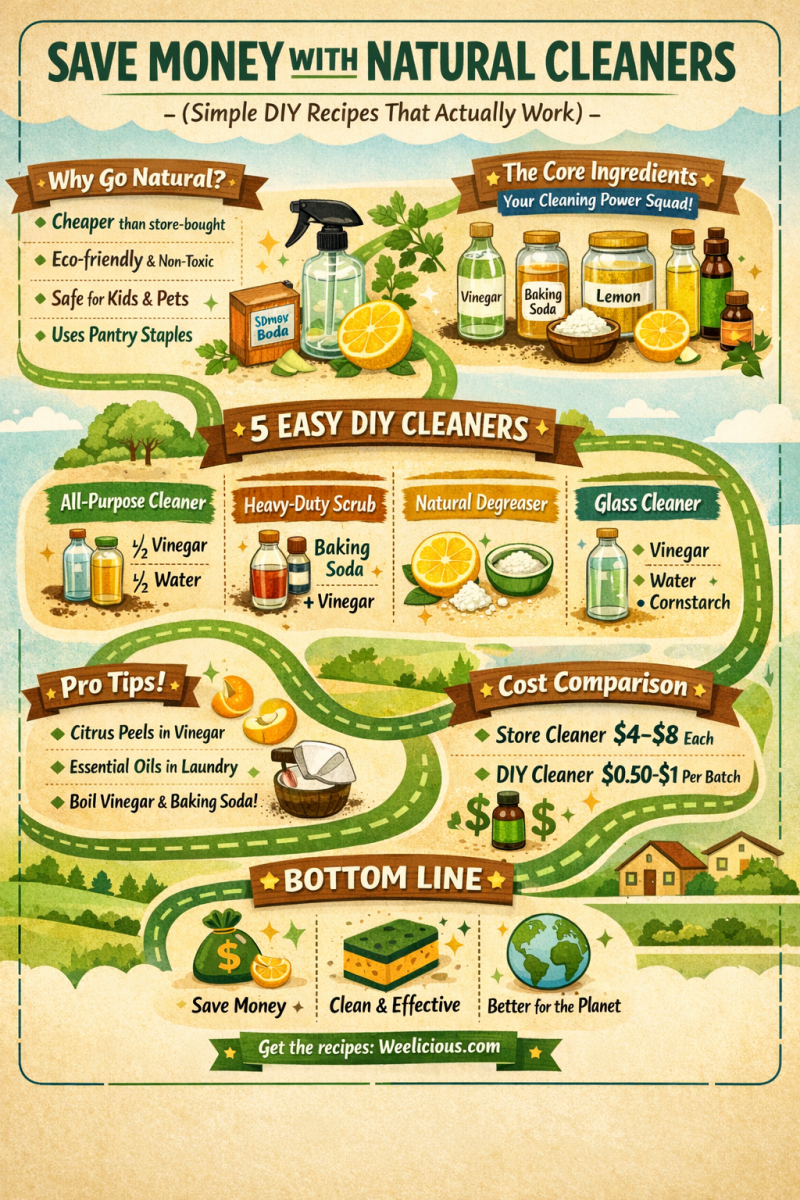
Ditch expensive chemical cleaners and switch to simple, natural alternatives that actually get the job done. Using everyday ingredients like vinegar, baking soda, and lemon, you can create powerful DIY cleaning solutions that are safe, eco-friendly, and budget-friendly. This infographic breaks down easy recipes, smart tips, and cost comparisons to help you clean your home effectively while saving money.
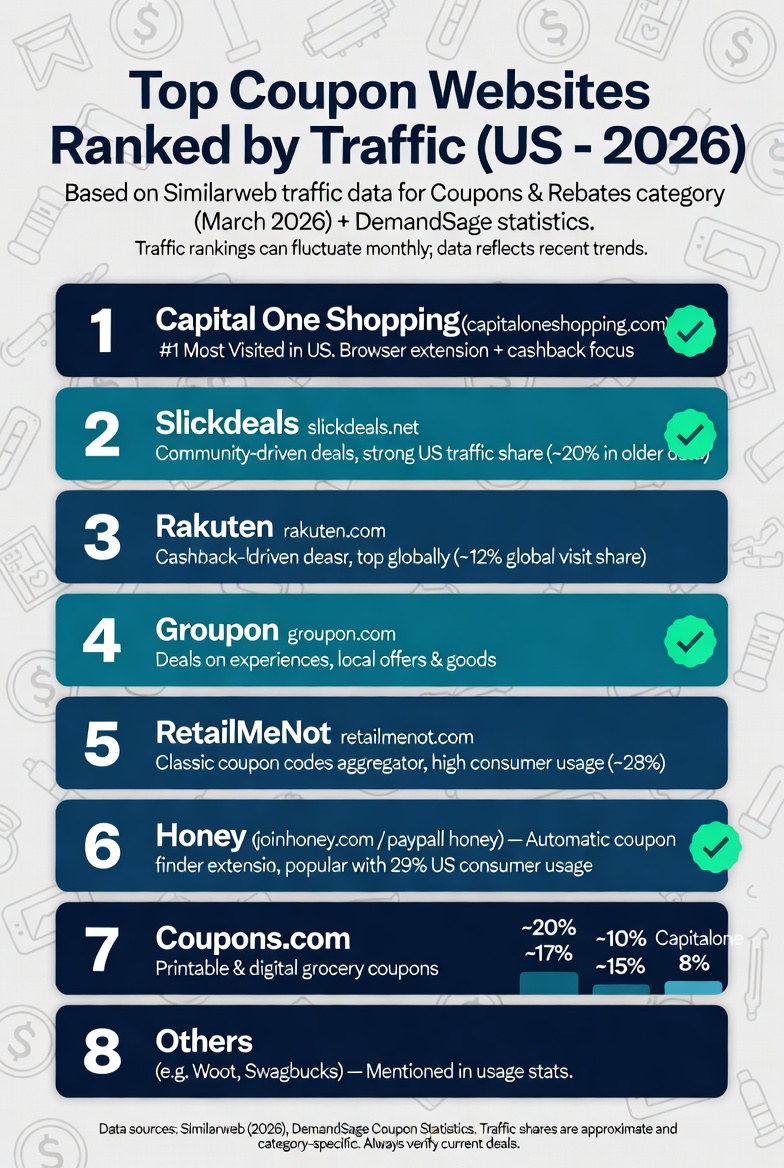
In a world where every dollar counts, coupon and cashback sites have become essential tools for savvy shoppers. Whether you’re hunting for the best promo codes, automatic discounts at checkout, or community-vetted deals, the right platform can save you hundreds — or even thousands — per year.
Here’s a clear, up-to-date ranking of the top 10 coupon websites by US traffic as of March 2026, based on Similarweb data for the Coupons & Rebates category combined with DemandSage statistics.
1. Capital One Shopping (capitaloneshopping.com)
#1 Most Visited in the US
Capital One Shopping leads the pack with its powerful browser extension and automatic cashback features. It quietly finds the best prices and applies discounts without any extra effort from the user. Perfect for everyday online shopping.
2. Slickdeals (slickdeals.net)
Community-Driven Deal Powerhouse
Slickdeals consistently ranks near the top thanks to its active user community that posts and votes on the hottest deals. It holds a strong ~20% share of US traffic in the category, making it the go-to spot for deal hunters who want real-time alerts and discussions.
3. Rakuten (rakuten.com)
Global Cashback Leader
Rakuten dominates with its cashback rewards program. It offers strong payouts on thousands of stores and remains one of the most visited sites both in the US and globally (~10-12% share). Many users love the quarterly cashback payments.
4. Groupon (groupon.com)
Deals on Experiences & Goods
Groupon continues to thrive by offering deep discounts on local experiences, travel, restaurants, and everyday products. It’s especially popular for anyone looking beyond standard retail coupons.
5. RetailMeNot (retailmenot.com)
Classic Coupon Code Aggregator
One of the oldest and most trusted names in the space. RetailMeNot remains a favorite for manually searching and verifying coupon codes, with high consumer usage rates around 28%.6.
6. Honey (joinhoney.com / PayPal Honey)
Automatic Coupon Finder
Honey (now part of PayPal) excels at automatically testing thousands of coupon codes at checkout. Its browser extension makes it incredibly popular — millions of users rely on it for effortless savings.
7. Coupons.com
Grocery & Printable Coupons
Specializing in grocery savings, Coupons.com offers both printable coupons and digital versions that can be loaded directly to your loyalty cards. A must-have for weekly grocery runs.
8. Ibotta (ibotta.com)
Cashback on Groceries & In-Store Purchases
Ibotta shines for in-store and grocery shopping, offering cashback on specific items after uploading receipts or linking accounts. Great for everyday household spending.
9. CouponCabin / Offers.com
Solid Code-Focused Sites
These sites provide reliable coupon codes and deal alerts. They serve as strong backups when the bigger players don’t have what you need.
10. Others (Hip2Save, DealNews, Swagbucks, etc.)
Niche and emerging platforms continue to carve out their own loyal audiences with unique features like rewards points, flash sales, or specialized deal categories.
Pro Tip for Maximum Savings
Browser extensions like Capital One Shopping and Honey often deliver the biggest time-saving wins at checkout because they work automatically. Combine them with community sites like Slickdeals for the best overall strategy.
Data Note
Traffic rankings are based on Similarweb (March 2026) and DemandSage Coupon Statistics. Numbers can shift monthly depending on seasonality, promotions, and platform updates. Always verify current deals and terms directly on each site.
If you’re browsing 9malls, you’re probably already someone who likes saving money, finding deals, and getting more value for every dollar. But here’s the thing—saving money with coupons is only one side of the equation. What you do with that saved money matters just as much.
That’s where Money Max Account comes in.
Money Max Account is a financial optimization tool that helps you use your money more efficiently—especially when it comes to paying off debt. Think of it as a strategy engine that takes your income, expenses, and debts, then calculates the fastest and smartest way to become debt-free.
So why is it on a coupon site? Simple: if you’re saving money here, Money Max helps you maximize what those savings actually do for you.

Stop guessing, start optimizing—visit Money Max
What It Actually Does
Instead of basic budgeting, Money Max uses algorithms to map out your financial future. It analyzes things like interest rates, balances, and cash flow to create a personalized payoff plan.
Behind the scenes, it’s doing things like:
Comparing multiple payoff strategies instantly
Calculating long-term interest savings
Reallocating your cash flow for maximum efficiency
Updating your plan in real time as your situation changes
It’s less like a spreadsheet… and more like a financial simulator.
Real-Life Examples (Where It Clicks)
Let’s say you save $50 using coupons on 9Malls this month. Most people would just spend that somewhere else without thinking.
With Money Max, that $50 could be redirected toward the right debt—maybe one with higher interest—potentially saving you hundreds over time.
Or imagine you’ve got a credit card and a car loan. You might assume paying off the car first is smarter, but the system could show that focusing on the credit card frees up more cash faster, accelerating everything.
Even unexpected stuff—like a $1,000 expense—gets factored in. Instead of guessing what to do next, the system recalculates your path instantly so you stay on track.
⚙️ The Tech Side (Without Getting Boring)
Money Max runs on financial modeling logic that continuously evaluates your numbers. It’s essentially:
A cash flow optimizer
A debt payoff simulator
A real-time decision engine
Every dollar you earn, spend, or save gets assigned the most efficient job possible.
So instead of asking, “Can I afford this?”
You start asking, “What’s the smartest move for this money?”
Why It Actually Belongs on 9Malls
Coupons help you save money today.
Money Max helps you use that money better long-term.
Put those together?
That’s where things start to get interesting.
Because saving $20 is nice…
But turning that $20 into a faster debt payoff and less interest?
Yeah, that’s a whole different game 😌✨
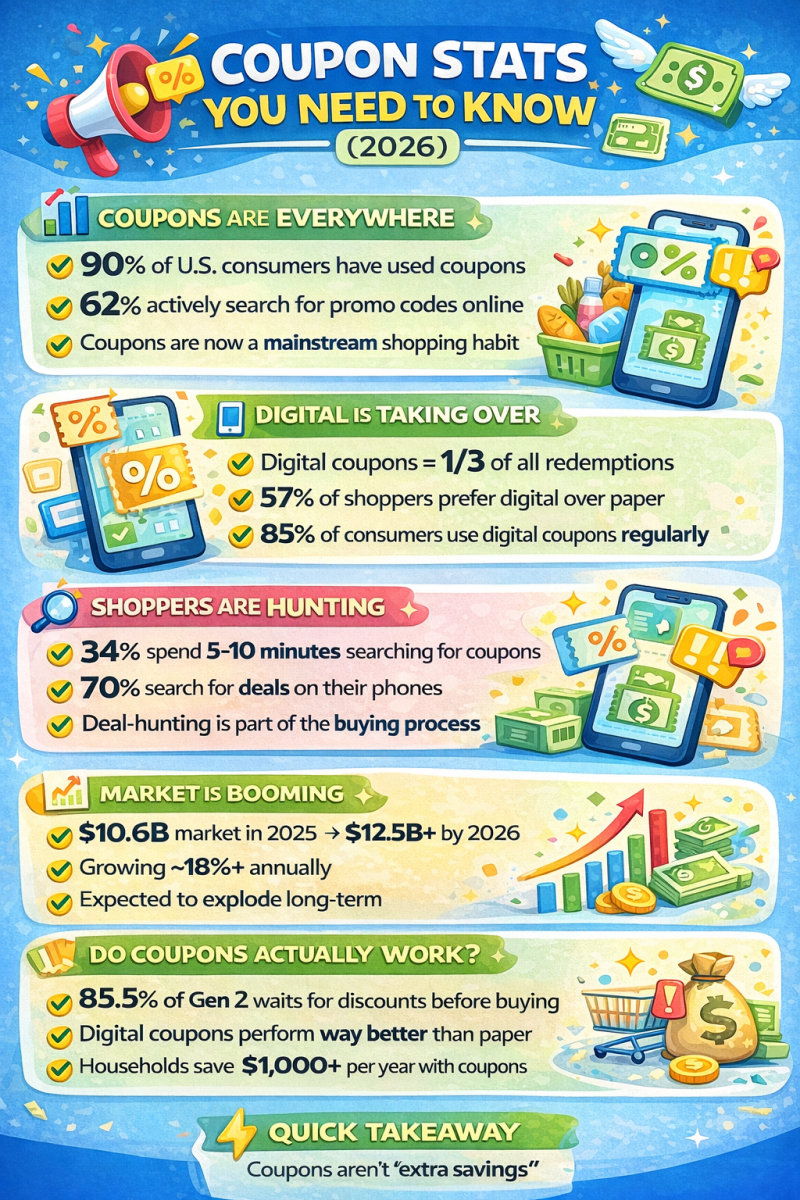
A quick look at how coupons are changing, from digital deals to smarter shopping habits and bigger savings.
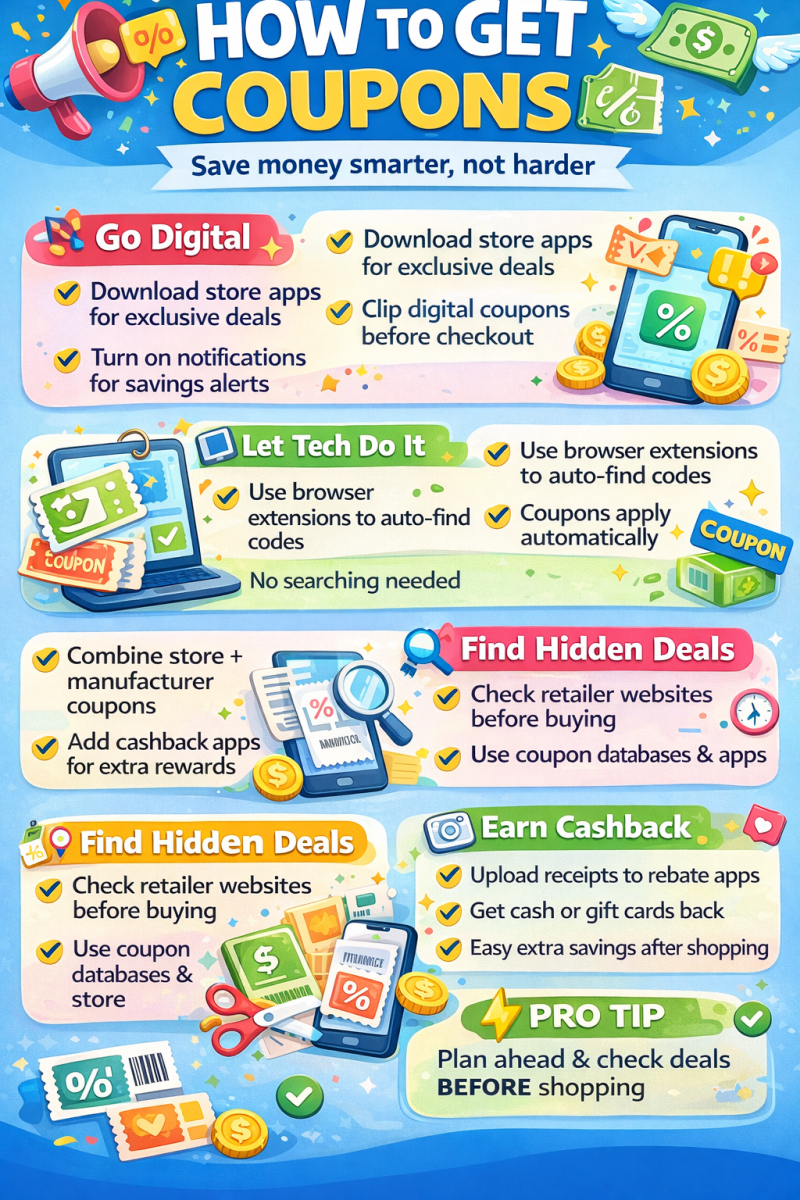
Discover simple, smart ways to find coupons, stack discounts, and earn cashback using apps, browser extensions, and everyday shopping habits. Save money without the hassle.
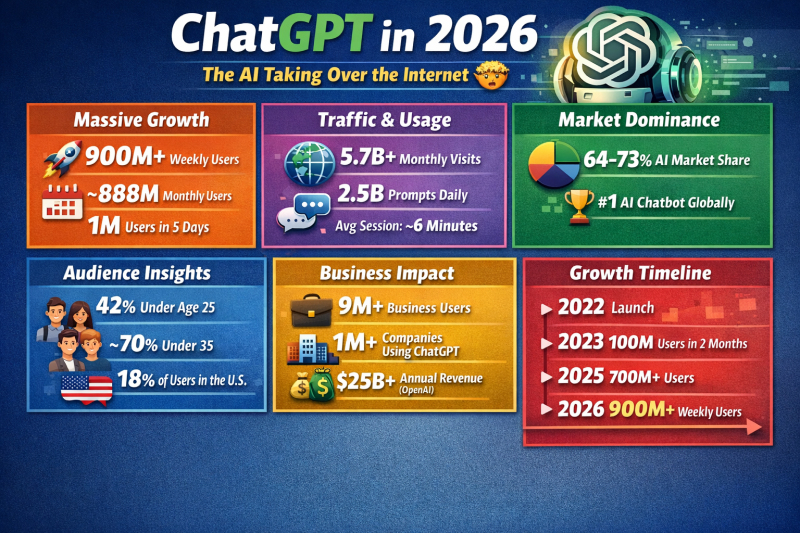
From hitting 1 million users in just 5 days to powering nearly a billion weekly users, ChatGPT has completely reshaped how the internet works. These stats break down the insane growth, global reach, and real-world impact of the world’s most dominant AI.