

Coupons
Grocery shopping feels expensive now no matter where you go. People walk into the store for “just a few things” and somehow leave spending over a hundred dollars without even trying. That’s exactly why more shoppers are turning to digital grocery coupons again.
For years, couponing had this reputation of being something only extreme bargain hunters did with giant binders full of paper coupons. Now it’s completely different. Most grocery savings have moved onto apps, store loyalty programs, and digital accounts instead.
And honestly, stores are pushing hard for people to use them.
A lot of supermarkets now hide their best deals inside their apps. You’ll see regular shelf prices in the store, but members using the app or rewards account suddenly get extra discounts, personalized offers, fuel points, or digital-only sales. According to Consumer Reports, many shoppers can stack digital coupons with other promotions to save even more during checkout.
That’s where people are starting to notice real savings.
One example from the report showed Breyers ice cream listed at $5.99, but shoppers using store rewards got two for $8. Then an additional digital coupon knocked another dollar off the deal. It might not sound life-changing on one item, but over weeks and months those discounts add up fast.
That’s really the secret behind modern couponing now. It’s not usually about getting groceries for free like those old reality TV coupon shows. It’s more about stacking small savings consistently.
Apps from stores like Food Lion, Harris Teeter, Publix, and Lowes Foods now constantly push digital offers directly to shoppers. Weekly grocery ads also include app-exclusive deals on everything from produce and frozen meals to snacks and household items.
Some stores even tie coupons into gas rewards programs, which people love because gas prices still hurt too.
The funny thing is most shoppers don’t even think of themselves as “couponers” anymore. Clipping digital offers inside an app feels normal now. It takes maybe thirty seconds while standing in line or scrolling at home before a grocery run.
Of course, there’s a tradeoff.
To unlock these savings, most grocery chains require shoppers to sign up for loyalty programs and use store accounts. Consumer Reports noted that retailers may collect shopping data from those accounts, including buying habits and preferences. Some experts have raised concerns about privacy and how stores use that information for advertising and pricing strategies.
Still, most shoppers seem willing to accept that exchange if it means lowering their grocery bill.
And honestly, people are getting more strategic about grocery shopping now because they almost have to. Families are checking weekly ads again, combining digital coupons with store sales, and using cashback apps alongside loyalty programs just to stretch budgets a little further.
The old days of sitting at the kitchen table clipping newspaper coupons might be fading away, but coupon culture itself definitely isn’t disappearing. It just moved onto smartphones.
At this point, digital grocery coupons have become part of everyday shopping for millions of people trying to fight rising food prices without completely changing how they eat. And with stores continuing to push app-based discounts harder every year, that trend probably isn’t slowing down anytime soon.
Saving money online used to mean digging through random coupon websites that looked like they hadn’t been updated since 2007. Half the promo codes didn’t work, the other half expired years ago, and somehow every website claimed they had “exclusive deals” nobody else had.
Now people mostly let apps do the work for them.
Coupon and cashback apps have become insanely popular over the last few years because online shopping is basically part of everyday life now. Whether someone is buying groceries, electronics, clothes, or completely unnecessary stuff at 2 AM, everybody wants to feel like they got a better deal than the listed price.
That’s where these apps come in.
Honey is probably still the most recognizable name in the coupon world. Even people who never used it probably know about it because of how aggressively it was advertised on YouTube for years. The app automatically tests coupon codes during checkout, which sounds simple, but honestly that convenience is why millions of people installed it.
People like things that save money without requiring effort. That’s basically Honey’s entire appeal.
Rakuten is another one that keeps showing up everywhere. Instead of focusing mostly on coupon codes, Rakuten pushes cashback rewards. You shop through participating stores and get a percentage of your purchase back later. It’s slower than instant discounts, but frequent shoppers end up liking the “getting paid to shop” feeling.
Then there’s Capital One Shopping, which has grown pretty quickly lately. A lot of people compare it directly to Honey because both work as browser extensions, but Capital One Shopping focuses more on price comparisons and finding lower listings across different retailers.
Some users actually prefer it because it feels less cluttered.
RetailMeNot is kind of the old-school survivor of internet coupon culture. Before browser extensions took over everything, people were already checking RetailMeNot for promo codes before buying stuff online. It still sticks around because sometimes simple databases of discount codes are still useful.
Honestly though, coupon apps aren’t magic.
Sometimes they find huge discounts. Other times they save you thirty-seven cents and act like they changed your life. Experiences vary a lot depending on what stores people use and how often they shop online.
There’s also the privacy side of things that more users have started paying attention to. Since these apps track shopping activity and browser behavior to some extent, people have become more cautious about which extensions they install. A few coupon apps have even faced criticism over affiliate commissions and how they make money behind the scenes.
Still, most shoppers don’t really care as long as the discounts work.
That’s probably the biggest reason coupon apps continue growing. Prices online keep going up, people are tired of overpaying, and nobody enjoys manually searching for promo codes anymore. Browser extensions made the process automatic, and once shoppers got used to that convenience, there was no going back.
At this point, coupon apps are almost part of online shopping culture itself. Some people install multiple extensions at once hoping one of them finds a better deal than the others. It’s basically digital bargain hunting now.
And honestly? In an economy where everything feels expensive lately, people will absolutely keep chasing those little checkout discounts whenever they can.
If you love weird flash sales, random tech markdowns, discounted kitchen gadgets, and those “wait… why is this so cheap?” moments, Woot is still one of the internet’s hidden gems. Originally famous for its “one deal a day” model, Woot is now owned by Amazon and constantly rotates limited-time deals across electronics, home goods, tools, apparel, gaming, and more.
For shoppers using 9malls Woot Coupons, the biggest trick is knowing where to find active promo codes before the deals disappear. Woot changes offers fast — sometimes daily — and many coupons only last a few hours.
Where To Find Woot Coupon Codes https://www.9malls.com/store/woot/
The best places to find working Woot discounts include:
- 9malls Woot Coupon Page https://www.9malls.com/store/woot/
- Woot’s homepage flash sales
- Amazon Prime member promos
- Cashback extensions like Honey, Rakuten, and Capital One Shopping
- Daily deal blogs and coupon trackers
Many Woot codes are category-specific instead of sitewide. That means one code may work only for gaming gear, while another is just for kitchen appliances or apparel.
Popular Woot Coupon Types Right Now
Here are the kinds of discounts currently showing up across coupon networks and deal trackers:
Deal Type Typical Savings
Extra percent-off coupons 10%–30% off
Dollar-off coupons $5–$15 off
Bundle discounts Buy multiple items, save extra
Amazon Prime shipping perks Free shipping
Clearance markdowns Up to 70% off
Recent examples include:
“Spend $30, get $10 off” offers using promo codes like RANDOM
Extra 20% off select sales events
$5 off gaming accessories
Category-based discounts on tech, groceries, and home goods
Amazon Prime Makes Woot Better
One of the biggest Woot hacks? Amazon Prime.
Prime members typically get:
Free standard shipping
Free Shirt.Woot express shipping
Access to some Prime-exclusive promotions
Without Prime, Woot usually charges a flat shipping fee per order, so coupon savings can disappear fast on smaller purchases.
Best Categories To Watch on Woot
Some categories consistently have stronger discounts than others:
Electronics
This is where Woot gets addictive. Refurbished laptops, headphones, monitors, Kindles, tablets, smart home gear, and random Amazon hardware show up constantly.
Home & Kitchen
Air fryers, cookware, vacuums, storage organizers, and small appliances regularly hit deep discounts.
Gaming & PC Accessories
Woot quietly drops solid gaming deals, especially on keyboards, mice, headsets, and monitors.
Shirts & Apparel
The famous Shirt.Woot section still runs rotating graphic tee deals and occasional extra percentage-off coupon events.
Tips For Getting the Best Woot Deals
Check Early
Woot inventory can vanish ridiculously fast. Some deals sell out within hours.
Stack Cashback
Use cashback sites like:
Rakuten
Honey
Capital One Shopping
These sometimes add 3%–6% cashback on top of promo codes.
Watch for Refurbished Electronics
A lot of Woot’s best prices are refurbished or “like new.” Usually worth it — but always read warranty details carefully.
Don’t Wait Too Long
Woot is very much a “hesitate and lose it” kind of website 😅
Why People Still Love Woot
Even with giant retailers everywhere now, Woot still feels a little chaotic in the fun way. One day it’s discounted Apple gear, the next it’s pickleball paddles, emergency rations, cat furniture, and a random pallet of smart plugs.
That unpredictability is kind of the point.
And honestly? Coupon hunters love it because prices can occasionally beat Amazon itself — especially when you stack:
a Woot markdown,
a coupon code,
Prime free shipping,
and cashback rewards.
That combo can get surprisingly wild.
Final Thoughts
If you’re shopping on Woot regularly, bookmarking the 9malls Woot coupon page is smart because Woot promo codes expire fast and rotate constantly.
The best strategy:
Check Woot daily deals https://www.9malls.com/store/woot/
Look for extra promo codes
Stack cashback
Use Prime shipping perks
Buy before the deal disappears
That’s basically the Woot survival guide 🛒🔥
The internet used to feel human.
You’d search for a product, read real reviews from actual people, hunt down a working coupon code in some sketchy forum thread, and maybe stumble across a weird personal blog that somehow gave the best buying advice on the entire web.
Now? A lot of the internet feels manufactured.
Product reviews sound identical. “Best Of” lists feel copied and pasted. Coupon sites are overloaded with fake promo codes. Social feeds are flooded with AI-generated junk designed purely to farm clicks.
And that’s why the “Dead Internet Theory” suddenly feels less like a conspiracy theory and more like a warning sign.
The theory claims the modern internet is increasingly dominated by bots, AI-generated content, and algorithmic manipulation instead of real human interaction. While the more extreme versions are definitely over-the-top, the underlying concern is becoming harder to ignore. According to Imperva’s 2025 Bad Bot Report, automated traffic now makes up over half of all internet activity, with malicious “bad bots” alone accounting for 37% of traffic.
That shift is changing online shopping in ways most consumers probably don’t even realize.
The Rise of “AI Slop” Shopping Content
A huge portion of shopping-related content online now exists for one reason only: gaming search engines and affiliate commissions.
Search for almost any product today and you’ll see endless articles like:
“Top 10 Best Air Fryers”
“Best Laptops Under $500”
“Top Amazon Deals Today”
The problem? Many of these pages are barely written by humans anymore.
AI can generate thousands of shopping articles in minutes. Some websites now mass-produce product pages, coupon pages, and “review” content at industrial scale. Researchers studying AI-generated virality have found that synthetic content is increasingly optimized specifically to manipulate recommendation algorithms and search visibility.
And honestly… shoppers can feel it.
You click an article and instantly know nobody actually tested the products. The writing feels generic, repetitive, and weirdly empty.
That’s part of why trust online is collapsing.
Coupon Codes Have Become a Perfect Example
Coupon sites used to feel like treasure hunts.
Someone found a real promo code, shared it online, and other users confirmed whether it worked. There was a sense of community around saving money.
Now a lot of coupon websites are packed with:
expired codes,
fake “exclusive” offers,
auto-generated retailer pages,
AI-written shopping tips,
and endless SEO bait.
Some sites create thousands of low-value pages targeting search traffic without actually helping shoppers.
Google has even started updating its spam policies specifically to combat AI-generated manipulation tactics and low-quality search spam designed to game rankings.
That matters because coupon shoppers are especially vulnerable to fake engagement and synthetic content. People searching for discounts are often making quick decisions, and low-quality websites know that.
Why Authentic Shopping Communities Are Becoming More Valuable
Ironically, as the internet becomes more artificial, real human-curated shopping platforms become more important.
People are increasingly looking for:
verified coupon codes,
community-voted deals,
real shopping discussions,
authentic user reviews,
and curated recommendations instead of AI spam.
That’s one reason communities like Reddit, deal forums, and trusted coupon platforms still matter so much. Users want signals that actual humans are involved.
Trustpilot recently reported that brands with real customer reviews are dramatically more visible in AI-generated search experiences compared to brands with little or no verified feedback.
In the AI era, authenticity itself becomes a competitive advantage.
The New Battle: Human Recommendations vs Algorithmic Noise
The internet is entering a weird phase where shopping platforms are fighting two battles at once:
competing for traffic,
and proving they’re trustworthy humans instead of automated content farms.
Even search itself is changing. Analysts say AI-powered search engines are shifting away from old-school SEO tricks and toward signals like consistency, verification, reputation, and trust.
That’s huge for coupon and shopping sites.
The winners in the next version of the web probably won’t be the sites producing the most content. They’ll be the sites producing the most credible content.
That means:
real deal verification,
transparent affiliate relationships,
community engagement,
updated offers,
genuine shopping insights,
and actual human curation.
Why Sites Like 9Malls Matter More in an AI Internet
As fake shopping content spreads across the web, curated deal platforms become a filter against algorithmic junk.
Shoppers don’t just want endless coupon pages anymore. They want confidence:
Is this code real?
Is this deal actually good?
Is this retailer trustworthy?
Did a real person verify this?
That human layer matters now more than ever.
The future of shopping online may end up looking surprisingly old-school: communities, trusted recommendations, real reviews, and curated deals from platforms people actually trust.
Because once the internet fills up with synthetic noise, authenticity becomes premium.
The Internet Isn’t Dead — But Trust Is Under Pressure
The Dead Internet Theory isn’t literally true. Humans still dominate culture, conversations, memes, and shopping decisions.
But the feeling behind the theory is absolutely real.
The modern internet is increasingly crowded with bots, AI-generated pages, fake engagement, and algorithmically optimized content designed to manipulate attention instead of helping people.
And nowhere is that more obvious than online shopping.
That’s why the next generation of successful shopping and coupon sites probably won’t win by publishing the most pages.
They’ll win by feeling human.
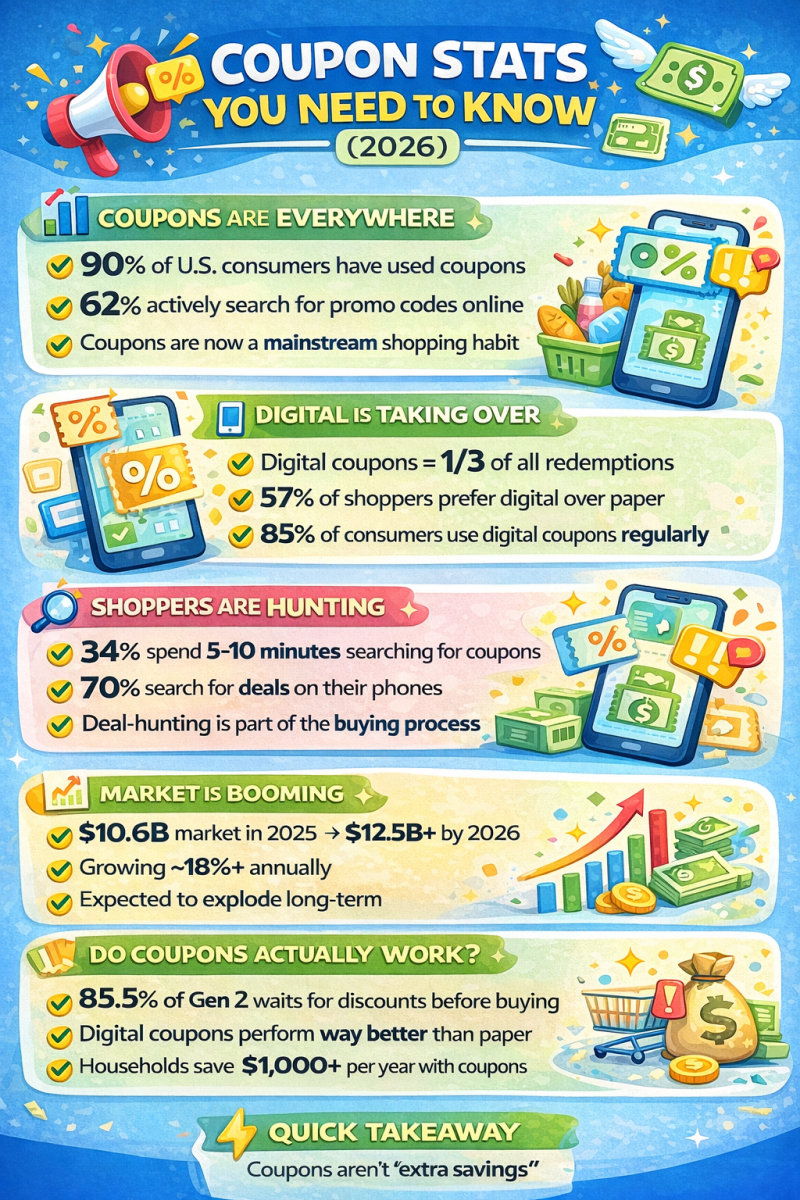
A quick look at how coupons are changing, from digital deals to smarter shopping habits and bigger savings.
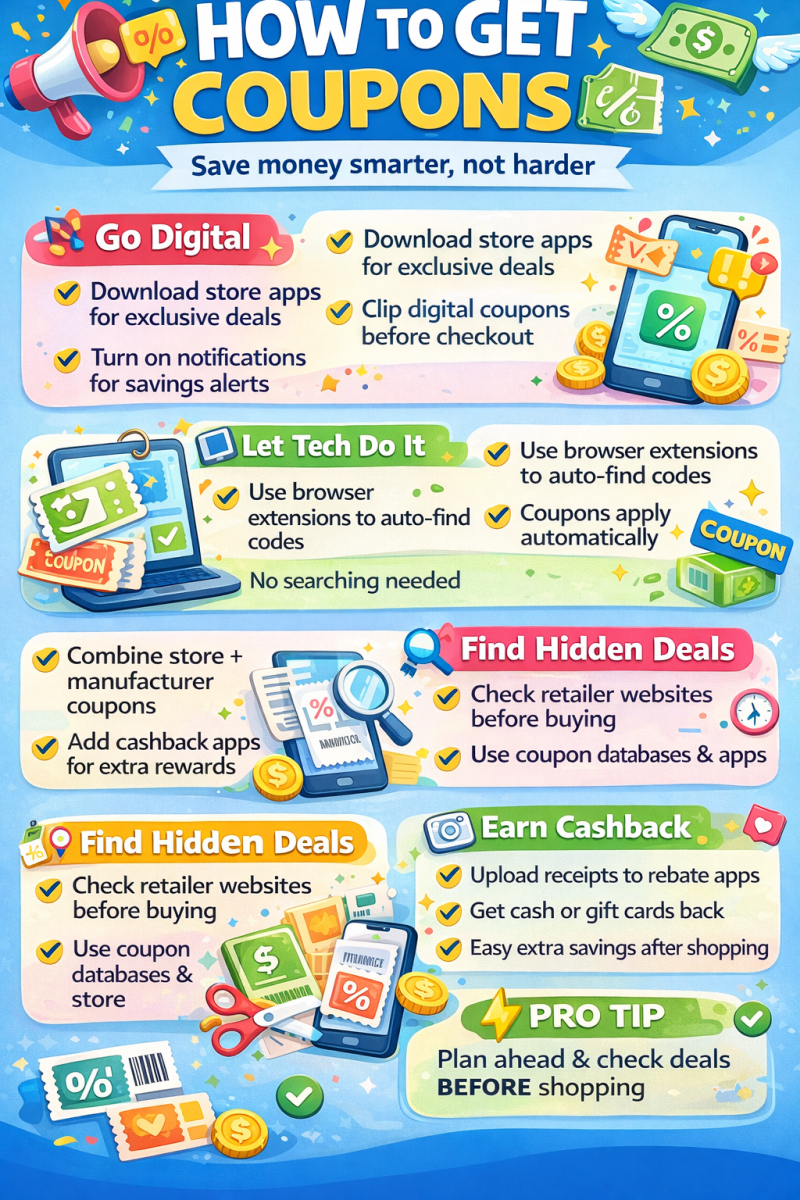
Discover simple, smart ways to find coupons, stack discounts, and earn cashback using apps, browser extensions, and everyday shopping habits. Save money without the hassle.
Sexually transmitted diseases (STDs) pose a significant public health challenge in the United States, with millions of new cases reported each year. According to the Centers for Disease Control and Prevention (CDC), the most common STDs in 2023 included chlamydia (1.65 million cases, or 492 per 100,000 people), gonorrhea (approximately 650,000 cases, or 198 per 100,000), and syphilis (207,000 cases across all stages). Additionally, human papillomavirus (HPV) is estimated to cause 13 million new infections annually, making it the most prevalent viral STD, while herpes simplex virus (HSV) contributes roughly 500,000 new symptomatic cases each year.
Discreet STD Testing – $10 off your complete order with code: 10OffOrder
These staggering numbers underscore the importance of regular testing for sexually active individuals. Services like STDcheck.com offer a convenient, confidential, and reliable solution to address this need. This month, we’re spotlighting our trusted partner, STDcheck.com, part of the 9malls network. Having collaborated with them for over a decade, we can confidently endorse their stellar reputation for providing accessible STD testing services that prioritize user privacy and convenience.
Who Is STDcheck.com?
Founded in 2010 by entrepreneur Fiyyaz Pirani, STDcheck.com is headquartered in Houston, Texas, and operates as a subsidiary of HealthLabs. The company was established with a mission to transform STD testing by removing barriers such as stigma, long wait times, and inconvenient clinic visits. STDcheck.com achieves this through a user-friendly online platform that allows individuals to order FDA-approved tests and visit one of over 4,500 CLIA-certified labs nationwide.
Results are typically delivered within 1–2 days, ensuring prompt access to critical health information. By offering discreet testing and secure result delivery, STDcheck.com empowers users to take charge of their sexual health without fear of judgment, making it a leader in the field of online medical services.
What Test Should I Get?
Choosing the right STD test can feel overwhelming, but STDcheck.com simplifies the process with its highly popular 10-Test Panel. This comprehensive test screens for the most common STDs, including HIV 1 & 2 (using advanced 4th-generation antibody/antigen testing), syphilis, chlamydia, gonorrhea, hepatitis A, hepatitis B, hepatitis C, and herpes types 1 and 2. Prominently featured on their website, this panel is designed to provide complete peace of mind by covering both bacterial and viral infections in a single visit. It’s an ideal choice for individuals who haven’t been tested recently, those with new or multiple partners, or anyone seeking a thorough health check. The test’s efficiency—requiring only a quick lab visit—and its broad scope make it a go-to option for proactive health management.
Who Gets STDs?
STDs can affect individuals of all ages, backgrounds, and lifestyles, but certain groups face higher risks. The CDC’s 2023 data reveals that adolescents and young adults aged 15–24 account for approximately 48.2% of all reported chlamydia, gonorrhea, and syphilis cases, despite comprising a smaller fraction of the population. This age group’s vulnerability stems from factors like increased sexual activity, inconsistent condom use, and limited access to healthcare or education about STD prevention. For example, young women aged 20–24 have the highest chlamydia rates (3,154 per 100,000), while men in the same age group lead in gonorrhea cases (726 per 100,000). However, older adults are also seeing a surge in STD diagnoses. From 2020 to 2023, adults aged 65 and older experienced a 23.8% increase in STD cases, particularly for HPV, syphilis, and gonorrhea. This rise is attributed to factors like active dating after divorce or widowhood, lower condom use, and improved overall health enabling longer sexually active lives. Congenital syphilis, affecting newborns, also remains a concern, with 3,882 cases in 2023, highlighting the need for testing across all demographics.
Conclusion
Getting tested for STDs doesn’t need to be a daunting or stigmatized process; it should be a routine part of medical care, just like annual physicals or dental checkups. Early detection is critical, as many STDs, such as chlamydia and HPV, are often asymptomatic, meaning individuals can unknowingly spread infections or develop complications like infertility or chronic illness. Testing protects not only personal health but also the well-being of partners and communities. Services like STDcheck.com make this process seamless, offering fast, private, and affordable testing options tailored to modern lifestyles. For anyone who’s sexually active, taking the step to get tested is an act of responsibility and empowerment.
Visit STDcheck.com today to schedule your 10-Test Panel and take charge of your sexual health with confidence.
Discreet STD Testing – $10 off your complete order with code: 10OffOrder
9malls is excited to highlight a trusted partner, STDCheck.com, a leading online platform for STD testing. Founded in 2010 by Fiyyaz Pirani, STDCheck.com, based in Houston, Texas, offers fast, reliable, FDA-approved STD tests you can order from the privacy of your home. For sexually active individuals, regular testing is essential, and STDCheck.com simplifies the process, eliminating frustration and potential embarrassment by allowing you to manage everything online.
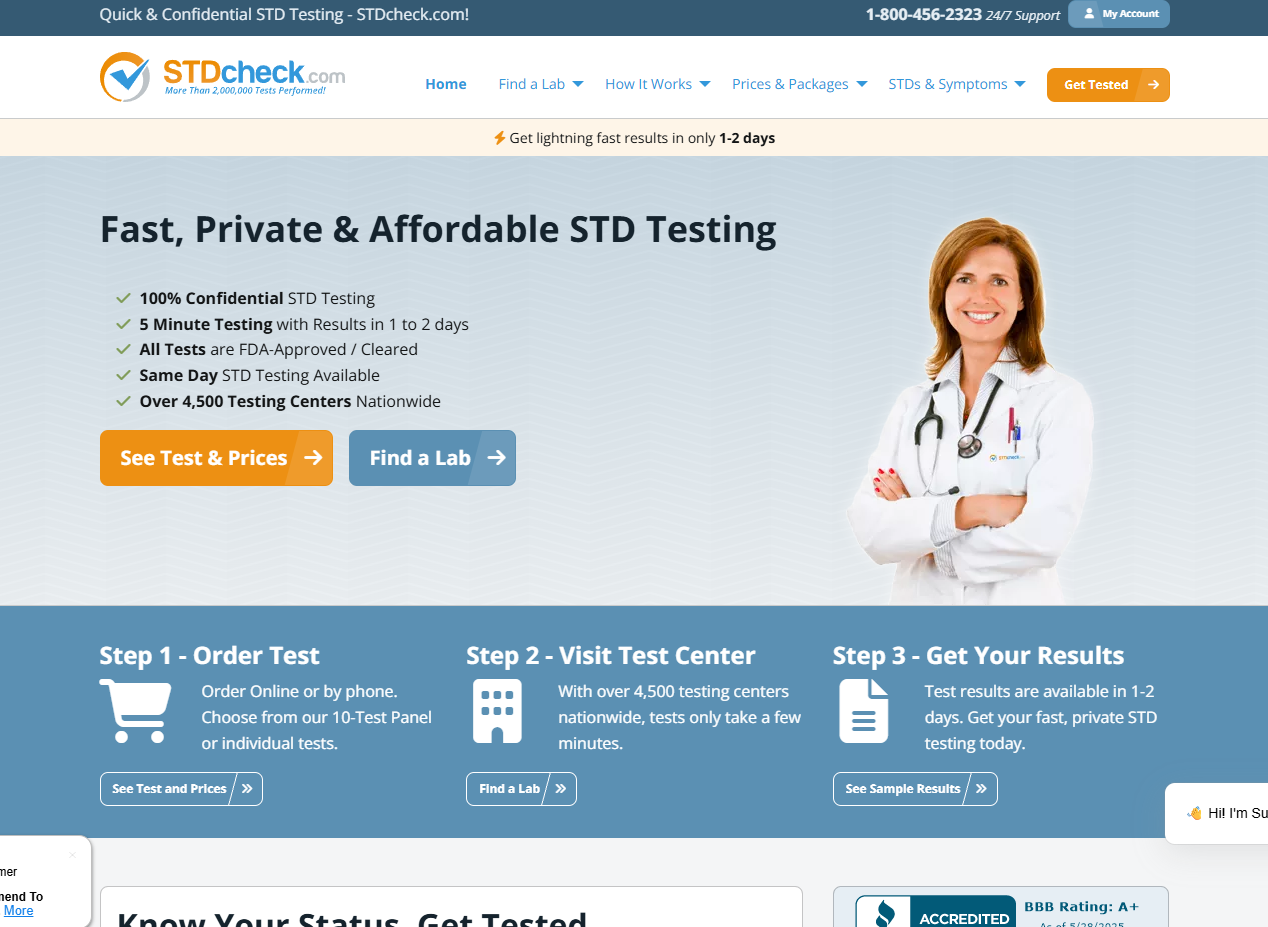
Special Offer: Use coupon code 10OffOrder for $10 off your STDCheck.com order.
From personal experience, I know these tests can provide peace of mind. The rise of accessible testing—whether for STDs, testosterone, blood sugar, and others has been a game-changer for society.
How It Works
Visit STDCheck.com to select individual tests (priced $24–$99) or comprehensive options like the 10-Test Panel ($139, or $259 with HIV RNA Early Detection). You can also order by phone at 1-800-456-2323. After ordering, you’ll receive a Lab Requisition Form or confidential test code via email, which you’ll need at the testing center. Printing the form is recommended.
Privacy
STDCheck.com prioritizes confidentiality. Your results won’t appear in your permanent medical record or be shared with insurance companies, and your billing information remains private.
Positive Results
If a test is positive, you can consult one of STDCheck.com’s physicians. For an additional fee, they can prescribe treatment and send the prescription to your local pharmacy.
Reviews
STDCheck.com operates under its parent company, Analyte Health, which holds an A+ rating with the Better Business Bureau (BBB) and over 1,300 positive reviews. The website features 5,222 customer testimonials with an average rating of 9.8/10.
Conclusion
Your health and peace of mind are priceless. With 4,500 testing centers across the country, accessing a convenient location is simple. Whether you have concerns or just want to stay proactive, visit STDCheck.com today to take control of your well-being with confidence.
Special Offer: Use coupon code 10OffOrder for $10 off your STDCheck.com order.
Get up to 50% off hundreds of video games at Target.com. Visit Target for game sale.
Get $25 off $50 at Banana Republic Factory using coupon SAVE25 at checkout. Enjoy! Tested coupon 12-25-20 and it’s working.
Get a free 6 piece McNuggets with minimum $1 purchase through the McDonald’s App. The 6-Piece McNuggets deal is for Dec. 19th 2020 only, then there is another new deal tomorrow, etc. McDonalds is offering Holiday Daily Deals via McDonalds App (Android or iOS) each Day from December 14-24.
Are you a health care worker? If so you’ll be glad to hear that Starbucks is offering free coffee to health care workers. It’s just a free cup of regular coffee, but hey it’s something to say thank you! Which I think is always appreciated.
Krispy Kreme is giving away a free glazed doughnut and one regular size coffee to teachers next week. Dates are August 10th – 14th. This is part of their “Educator Appreciation Week.” For more information visit their web site https://www.krispykreme.com/.
Get 90 days of Tidal for free. Cancel anytime before the end of your free trial. After the free trial Tidal is only $9.99 per month. At Tidal you get premium sound quality, 60+ million tracks, unlimited skips, and curated playlists. Sign up here.
Are you a college student? Grubhub offers a student membership where one can get free delivery on $12+ orders. In addition to free delivery on off campus restaurants students get premium support from Grubhub+ elite Care and matched Donate the Change donations from Grubhub+ restaurants. If you are interested sign up here on Grub Hub’s web site: https://www.grubhub.com/help/contact-us/grubhub-student-membership/