

debt
Budgeting has a reputation for being difficult, time-consuming, and restrictive. For many people, it means sorting through bank statements, tracking every purchase, and wondering why there’s never as much money left at the end of the month as expected.
Fortunately, artificial intelligence is changing that.
AI can analyze your spending, organize expenses into categories, identify spending habits, recommend realistic savings goals, and even act as a personal budgeting coach. While it won’t replace a financial advisor or make financial decisions for you, it can take much of the frustration out of creating and maintaining a budget.
If you’ve never budgeted before—or you’ve tried and failed—AI can make the process much easier.
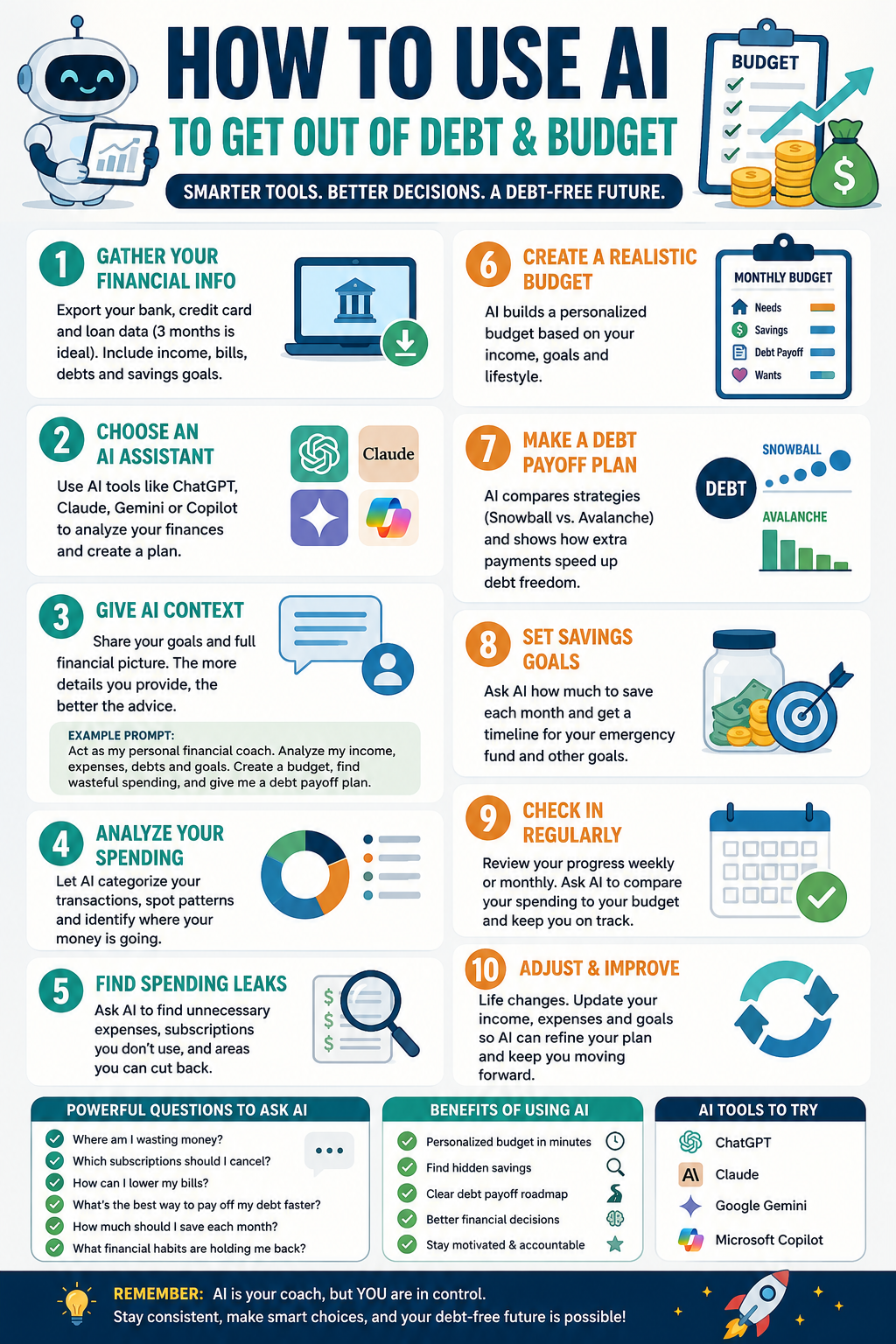
Start by Gathering Your Financial Information
Before asking AI to build a budget, collect some basic financial information. The more accurate your information is, the more personalized the recommendations will be.
Gather your monthly take-home income, recurring bills, debt payments, savings balances, and at least three months of bank and credit card transactions. If you have specific financial goals, such as paying off debt, building an emergency fund, or saving for a vacation, include those as well.
Most banks allow you to export your transaction history as a spreadsheet or CSV file. Before uploading anything, remove sensitive information such as account numbers or personal identification details.
Choose an AI Assistant
Several AI assistants are capable of helping with budgeting, including ChatGPT, Claude, Google Gemini, and Microsoft Copilot.
Each can review your spending, answer financial questions, and generate personalized budget recommendations. The experience is similar across platforms, so choosing one often comes down to personal preference.
Give AI Plenty of Context
One of the biggest mistakes people make is asking AI something vague like, “Create a budget for me.”
Instead, explain your financial situation.
Include your monthly income, regular expenses, debts, savings goals, and any major upcoming expenses. The more information AI has, the more useful its recommendations will be.
Here’s an example prompt you can use:
Act as my personal budgeting coach. Review my monthly income, recurring bills, debts, savings goals, and spending history. Organize my expenses into categories, identify unnecessary spending, recommend a realistic monthly budget, estimate how much I can save each month, and explain your recommendations. Ask follow-up questions before making assumptions.
This prompt encourages AI to ask questions instead of guessing, leading to more accurate advice.
Let AI Analyze Your Spending
Once you’ve provided your financial information, AI can quickly organize your spending into useful categories.
Typical categories include housing, transportation, groceries, restaurants, entertainment, shopping, healthcare, subscriptions, debt payments, and savings.
Seeing your spending organized this way often reveals patterns that are difficult to notice when simply reviewing bank statements.
For example, you may discover you’re spending more on takeout than groceries, or that several small subscriptions are quietly adding up each month.
Find Hidden Spending
One of AI’s biggest strengths is identifying recurring expenses that are easy to overlook.
Ask questions such as:
Where am I spending more than I realize?
Which subscriptions could I cancel?
What purchases happen repeatedly?
Which expenses have increased over the past few months?
Where could I realistically reduce spending without affecting my lifestyle?
These insights often uncover hundreds of dollars in potential savings over the course of a year.
Build a Budget That Fits Your Lifestyle
A good budget shouldn’t force you to give up everything you enjoy.
Instead of creating an unrealistic spending plan, ask AI to recommend a budget based on your actual habits.
If you enjoy eating out occasionally or spending money on hobbies, tell AI. It can adjust your budget while still helping you reach your financial goals.
The goal isn’t perfection. The goal is creating a budget you can actually stick to.
Set Savings Goals
AI can also help you determine how much you should save each month.
Ask questions like:
How long will it take to build a six-month emergency fund?
How quickly can I pay off my credit card debt?
Should I pay extra toward my loan or save more money?
How much can I comfortably save each month?
AI can calculate different scenarios and show how changing your monthly savings or debt payments affects your timeline.
Check In Every Week
Budgeting shouldn’t happen only once a month.
A quick weekly review can help you stay on track.
Simply ask AI to compare your spending for the week with your monthly budget and identify any areas where you’re overspending.
Making small adjustments throughout the month is much easier than trying to fix an entire month’s worth of overspending.
What AI Does Well
AI is especially useful for organizing expenses, identifying spending patterns, creating customized budgets, explaining financial concepts, tracking savings progress, and suggesting practical ways to reduce unnecessary spending.
It can also answer questions whenever you need clarification, making it feel more like a financial coach than a budgeting spreadsheet.
Understand Its Limitations
Although AI is an excellent budgeting assistant, it isn’t perfect.
It doesn’t know your personal priorities unless you explain them. It can’t predict unexpected expenses, and it shouldn’t replace professional financial advice for complex situations involving taxes, investing, or legal matters.
Always review AI’s recommendations before making important financial decisions.
Tips for Better Results
Provide several months of spending history whenever possible.
Be honest about your spending habits.
Include upcoming expenses such as vacations, holidays, or home repairs.
Ask follow-up questions if something doesn’t make sense.
Update your budget regularly as your income or expenses change.
The more information you provide, the more valuable AI becomes.
Final Thoughts
Artificial intelligence isn’t a magic solution, but it is an incredibly useful tool for anyone looking to take control of their finances.
Instead of spending hours organizing transactions and building spreadsheets, AI can analyze your spending in minutes, uncover money leaks, recommend realistic budgets, and help you develop better financial habits.
The best budget is one you can consistently follow. AI can help you build that budget, adjust it as your life changes, and keep you focused on your financial goals.
Whether you’re trying to save more, pay off debt, or simply understand where your money goes each month, AI can make budgeting easier than ever before.
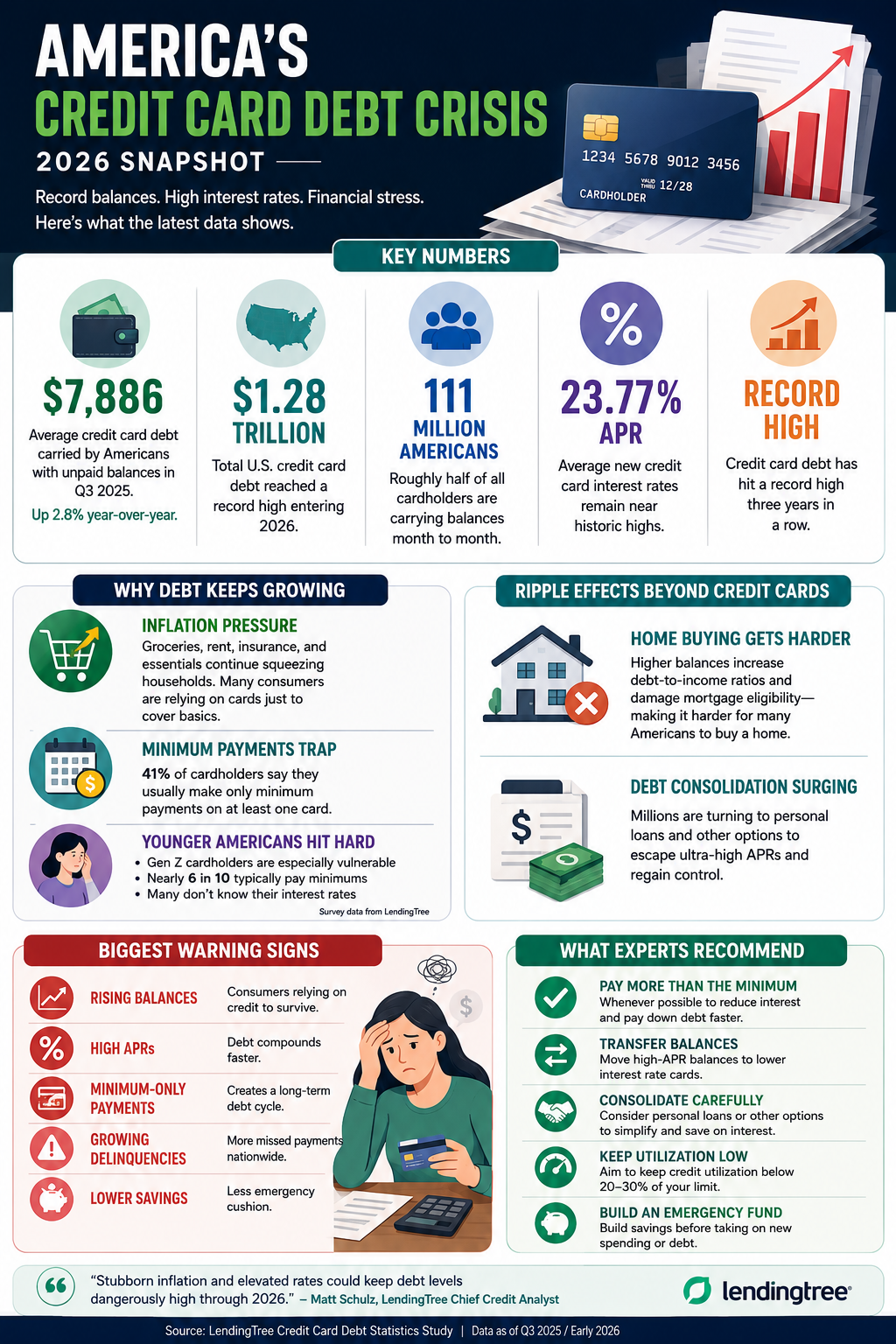
U.S. credit card debt has reached record highs in 2026. Explore the latest statistics, rising interest rates, inflation pressures, and what Americans can do to regain financial control.
Despite strong consumer spending, many Americans are increasingly relying on credit cards to manage everyday expenses as inflation continues to strain household budgets. High interest rates and rising living costs have created a difficult financial environment where balances are growing faster than many borrowers can repay them. Experts warn that if economic pressures remain elevated through 2026, more households could face long-term debt cycles, lower credit scores, and reduced access to major financial milestones like homeownership and retirement savings.
Need help with managing debt visit: https://www.moneymaxaccount.com/moneymaxdemo/
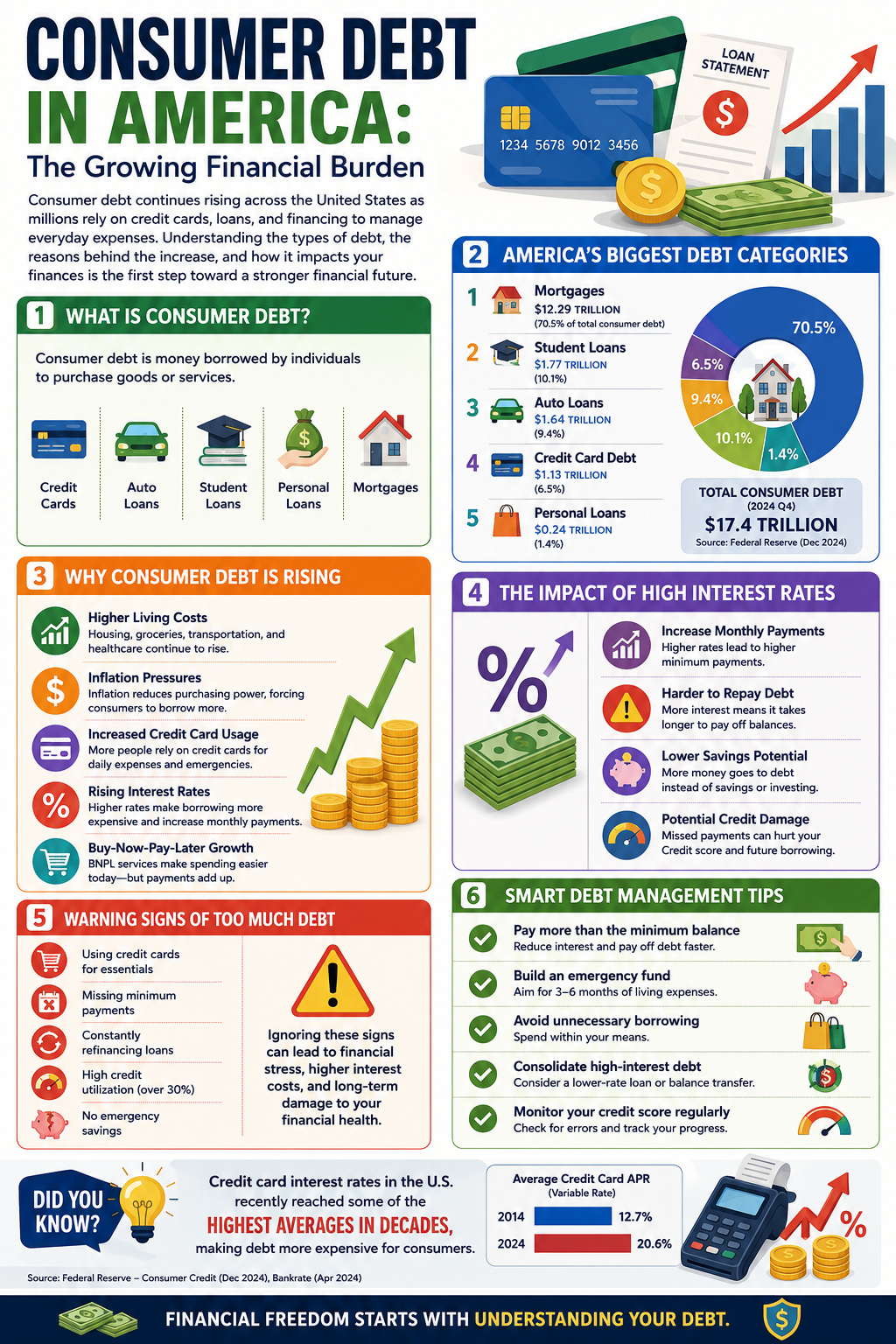
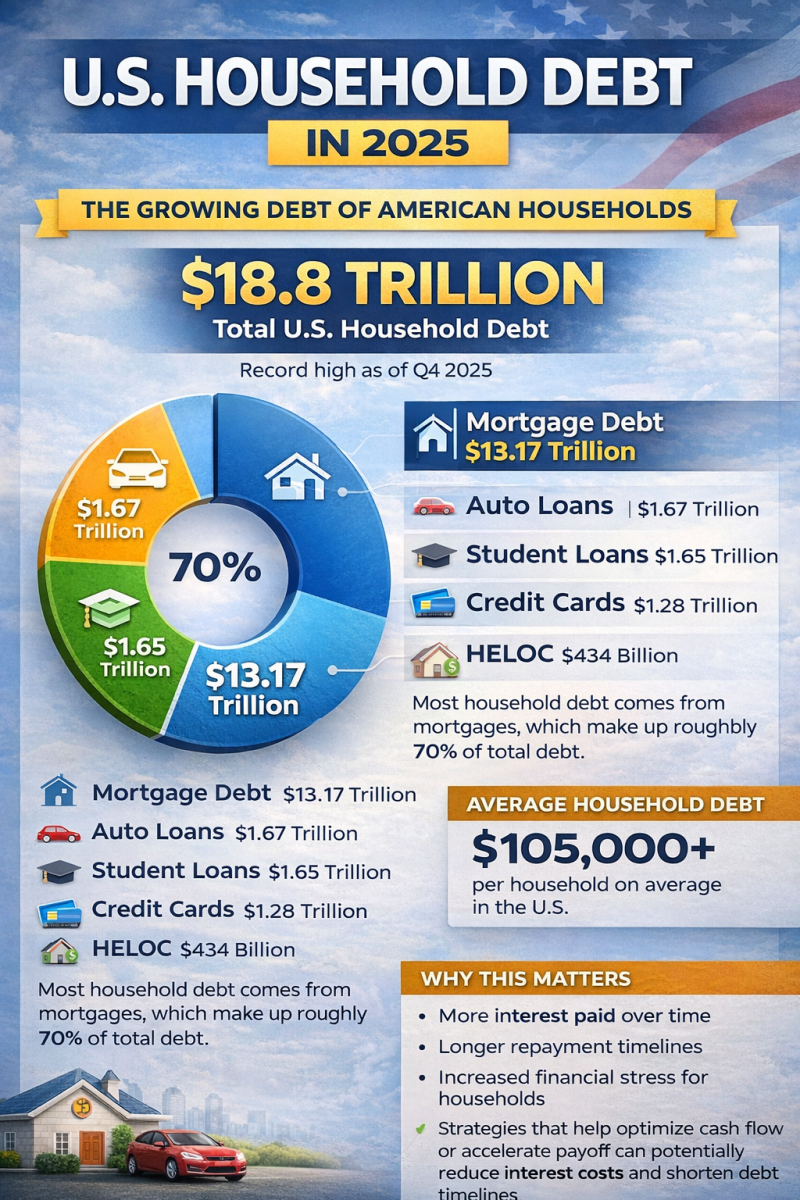
Consumer debt is reshaping household finances across the United States. This infographic explores the biggest debt categories, why borrowing continues to rise, the impact of high interest rates, and warning signs of financial stress. Discover practical strategies to manage debt smarter and protect your long-term financial future.
Need help with managing debt visit: https://www.moneymaxaccount.com/moneymaxdemo/
If you’re browsing 9malls, you’re probably already someone who likes saving money, finding deals, and getting more value for every dollar. But here’s the thing—saving money with coupons is only one side of the equation. What you do with that saved money matters just as much.
That’s where Money Max Account comes in.
Money Max Account is a financial optimization tool that helps you use your money more efficiently—especially when it comes to paying off debt. Think of it as a strategy engine that takes your income, expenses, and debts, then calculates the fastest and smartest way to become debt-free.
So why is it on a coupon site? Simple: if you’re saving money here, Money Max helps you maximize what those savings actually do for you.

Stop guessing, start optimizing—visit Money Max
What It Actually Does
Instead of basic budgeting, Money Max uses algorithms to map out your financial future. It analyzes things like interest rates, balances, and cash flow to create a personalized payoff plan.
Behind the scenes, it’s doing things like:
Comparing multiple payoff strategies instantly
Calculating long-term interest savings
Reallocating your cash flow for maximum efficiency
Updating your plan in real time as your situation changes
It’s less like a spreadsheet… and more like a financial simulator.
Real-Life Examples (Where It Clicks)
Let’s say you save $50 using coupons on 9Malls this month. Most people would just spend that somewhere else without thinking.
With Money Max, that $50 could be redirected toward the right debt—maybe one with higher interest—potentially saving you hundreds over time.
Or imagine you’ve got a credit card and a car loan. You might assume paying off the car first is smarter, but the system could show that focusing on the credit card frees up more cash faster, accelerating everything.
Even unexpected stuff—like a $1,000 expense—gets factored in. Instead of guessing what to do next, the system recalculates your path instantly so you stay on track.
⚙️ The Tech Side (Without Getting Boring)
Money Max runs on financial modeling logic that continuously evaluates your numbers. It’s essentially:
A cash flow optimizer
A debt payoff simulator
A real-time decision engine
Every dollar you earn, spend, or save gets assigned the most efficient job possible.
So instead of asking, “Can I afford this?”
You start asking, “What’s the smartest move for this money?”
Why It Actually Belongs on 9Malls
Coupons help you save money today.
Money Max helps you use that money better long-term.
Put those together?
That’s where things start to get interesting.
Because saving $20 is nice…
But turning that $20 into a faster debt payoff and less interest?
Yeah, that’s a whole different game 😌✨
Economic uncertainty hasn’t stopped consumers from spending. Discover the key trends behind modern buying behavior—from experience spending to price comparison and tech-driven shopping.
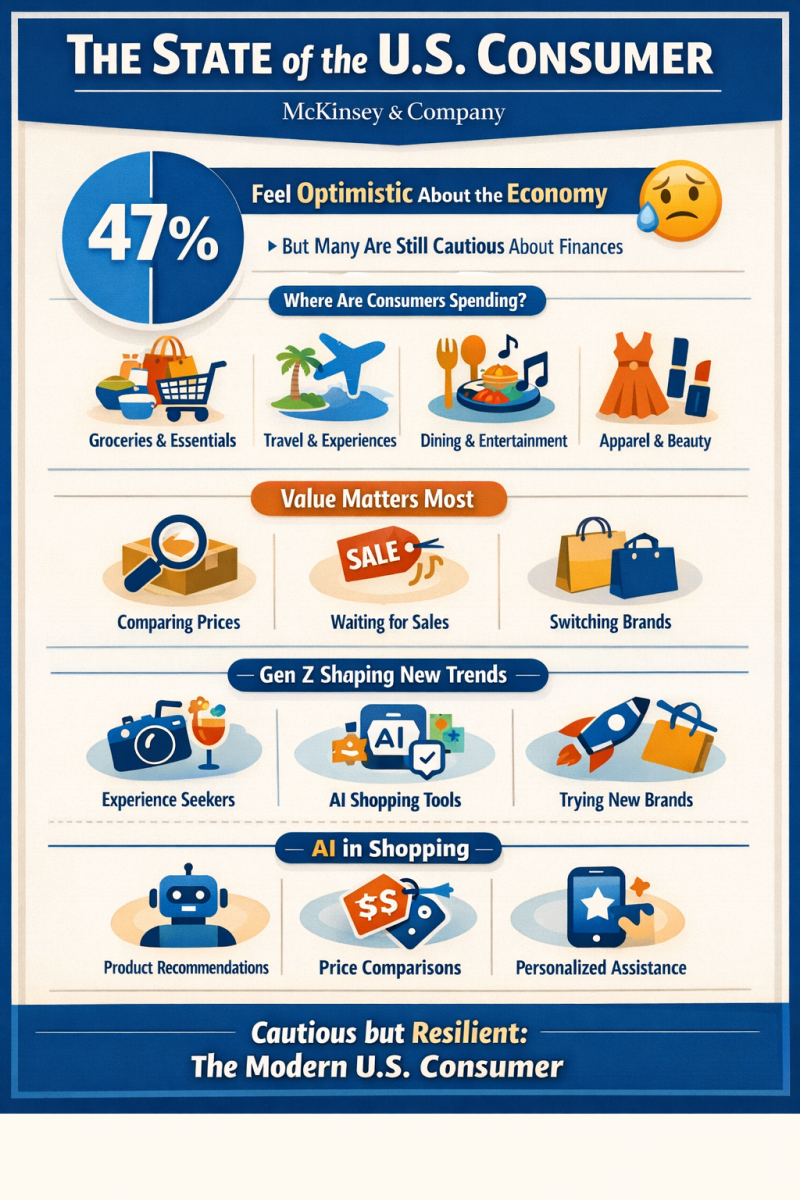
The modern U.S. consumer is cautious but resilient. While economic uncertainty influences spending habits, Americans are still prioritizing experiences, searching for value, and embracing new technologies like AI to shop smarter.
What if there was a smarter way to pay off debt faster—without increasing your income or making huge lifestyle sacrifices? Check out Money Max here and book a free call.
For many people, debt can feel like a never-ending journey. Between mortgages, student loans, credit cards, and car payments, it’s often difficult to see a clear path to financial freedom. What if you had a system that could map out the fastest route to becoming debt-free?
That’s the idea behind the Money Max Account—a financial strategy platform designed to help individuals eliminate debt faster while maximizing the power of every dollar they earn.
What Is the Money Max Account?
The Money Max Account is a financial software system that analyzes your income, expenses, and debts to create a personalized strategy for paying off debt as quickly as possible. Think of it as a “financial GPS” that guides you toward your debt-free destination.
Instead of guessing which loans to pay first or how much extra to send toward your mortgage, the system calculates the most efficient approach using financial algorithms. It continuously evaluates your financial data and suggests the best actions to accelerate debt payoff.
The goal is simple:
Reduce interest payments, shorten loan timelines, and help you build long-term wealth.
How the Money Max System Works
The Money Max Account works by bringing all your financial information into one centralized dashboard and analyzing it in real time.
Here’s how the process typically works:
1. Consolidate Your Financial Data
The platform connects your financial accounts so you can see your debts, income, and expenses in one place. This allows the system to analyze your overall financial situation and identify opportunities to save money.
2. Create a Personalized Debt Strategy
Using advanced algorithms, the system calculates which debts should be paid first and how much money should be directed toward them. It then provides step-by-step guidance on how to allocate funds efficiently.
3. Optimize Every Dollar
Instead of letting money sit idle in accounts, the program identifies ways to redirect available cash toward reducing interest-bearing balances. This can potentially save significant amounts of money over time.
4. Recalculate as Your Finances Change
Any time you make a purchase, receive income, or add a new debt, the system recalculates your payoff timeline and adjusts your strategy accordingly.
This dynamic approach helps keep your financial plan optimized at all times.
Potential Benefits of the Money Max Account
Users of the Money Max system often cite several advantages when following the recommended strategies:
Faster Debt Elimination
By strategically allocating money toward the most impactful debts, users may be able to pay off loans years earlier than traditional payment schedules.
Reduced Interest Payments
Interest can add tens or even hundreds of thousands of dollars to long-term loans. By accelerating principal payments, the system aims to dramatically reduce the amount paid in interest over time.
A Clear Financial Roadmap
Instead of juggling multiple financial decisions, users receive clear instructions on what to do and when to do it.
Long-Term Wealth Building
Once debts are eliminated, the money that was previously used for payments can be redirected toward savings, investments, or other wealth-building opportunities.
Who Can Benefit From It?
The Money Max Account may be particularly useful for people who:
Have multiple types of debt (mortgage, credit cards, car loans, etc.)
Want to pay off their mortgage faster
Struggle with managing multiple financial obligations
Prefer a structured, data-driven financial strategy
Even individuals with moderate incomes can benefit as long as they maintain steady cash flow and follow the system’s recommendations consistently.
Real Results From Users
According to company data, the system has helped tens of thousands of users eliminate debt and save significant amounts in interest. In many cases, users report saving tens or even hundreds of thousands of dollars in interest payments by following the recommended strategies.
While individual results vary, many users report reaching their debt-free goals years earlier than expected.
Final Thoughts
Becoming debt-free doesn’t always require drastic lifestyle changes or extreme budgeting. Sometimes, the key is simply having the right strategy.
The Money Max Account aims to provide that strategy by using financial algorithms and real-time analysis to guide users toward smarter financial decisions. By optimizing how money flows through your accounts, the system helps you reduce interest costs, accelerate debt payoff, and potentially build wealth faster.
If you’re looking for a more structured way to manage your finances and eliminate debt, tools like the Money Max Account may be worth exploring.
Curious how quickly you could eliminate your debt? Check out the free Money Max demo and see how the strategy works.
You shop 9malls for money savings coupons. About a month ago I discovered a financial software tool to get out and manage debt. It’s called Money Max.
What Is the Money Max Account (MMA)?
If you’re looking for smarter ways to manage debt and reduce interest costs, you may have come across something called the Money Max Account (MMA).
The Money Max Account is not a traditional bank account. Instead, it’s a financial strategy system designed to help individuals organize their income, expenses, and debts into a structured plan aimed at paying down balances more efficiently.
Rather than offering a one-size-fits-all solution, the MMA creates a personalized roadmap based on your specific financial situation.
Visit Money Max for more information.
https://www.moneymaxaccount.com/moneymaxdemo/
How Does the MMA Work?
At its core, the Money Max Account analyzes:
Your income
Your monthly expenses
Your outstanding debts
Your interest rates
Using this information, it generates a strategy intended to help you allocate your money in a way that minimizes interest paid over time and accelerates debt payoff.
One of the key features often highlighted in the MMA materials is that the strategy adjusts when your financial circumstances change. For example, if you receive extra income or experience unexpected expenses, the system recalculates to keep your plan aligned with your goals.
What Makes It Different from Standard Debt Strategies?
Many traditional debt strategies focus on approaches like:
Paying off the smallest balance first (debt snowball)
Paying off the highest interest rate first (debt avalanche)
Consolidating debt into one loan
The Money Max Account takes a broader approach. Instead of focusing on a single debt at a time, it looks at your full financial picture and attempts to optimize cash flow across all obligations.
The idea is to create a dynamic plan rather than a static payoff schedule.
Who Might Benefit from the MMA?
The Money Max Account may appeal to individuals who:
Have multiple debts with varying interest rates
Want a structured, guided approach
Prefer a personalized strategy instead of generic advice
Are looking to potentially reduce long-term interest costs
However, like any financial system, results depend on consistent participation and disciplined budgeting. The tool provides a plan, but the success of that plan relies on following through.
Things to Consider Before Getting Started
Before committing to any financial strategy, it’s important to evaluate:
The cost of participation
Whether the system aligns with your budgeting style
If you are comfortable using a guided financial tool
Your long-term financial goals
No financial strategy is a shortcut to instant results. Sustainable progress typically requires time, consistency, and careful decision-making.
Final Thoughts
Managing debt can feel overwhelming, especially when you’re juggling multiple payments and interest rates. Tools like the Money Max Account aim to simplify that process by organizing your finances into a structured, evolving strategy.
If you’re exploring ways to reduce debt and maximize your cash flow, it may be worth reviewing how the MMA compares to other debt reduction methods. As always, carefully review the details and consider your personal financial situation before making a decision.
Sign up at Money Max for your Money Max account.